The Ultimate Storage Unit Size Guide: Understanding What Fits in Every Storage Unit
Choosing a storage unit size can feel confusing when you have never rented one before. Many people try to imagine their belongings inside an empty room, but it is surprisingly difficult to estimate how much space furniture, appliances, and boxes actually take up. Without a clear reference point, it becomes easy to either underestimate or overestimate the amount of storage required.
This storage unit size guide is designed to remove that uncertainty by explaining how large the most common storage units are and what typically fits inside them. Each section explores a specific unit size and provides realistic examples so you can visualize how your belongings would fit in the space. Understanding these sizes in advance helps prevent the frustration of renting a unit that is too small or paying for space you will not use.
Affordable Family Storage offers a wide range of storage options and facilities across the US, designed to fit different household and business needs. Exploring the available units on our facilities page can help you compare locations and features before deciding which unit size works best. In this guide, you will learn how large each storage unit is, what items commonly fit inside, and how to pack efficiently so you can make the most of the space you rent.
How Storage Unit Sizes Are Measured
Before exploring specific unit sizes, it helps to understand how storage units are measured. Storage facilities describe units using the format width by depth in feet. For example, a 10x10 storage unit measures 10 feet wide and 10 feet deep. This gives the unit 100 square feet of floor space. Ceiling heights vary depending on the facility, but many storage units have ceilings between eight and ten feet tall. This vertical space significantly increases the overall storage capacity. A unit that may appear small on the floor can actually hold a large number of items when boxes and furniture are stacked safely upward.
Because of this vertical capacity, storage units often hold more items than people initially expect. Careful organization, stacking, and planning can allow renters to fit an entire apartment’s belongings into a relatively compact space. If you want a visual comparison of how different storage units look, our storage units size guide provides helpful examples that illustrate the dimensions and potential storage capacity of each unit.
How Big Is a 5x5 Storage Unit
A 5x5 storage unit contains 25 square feet of space, which is roughly comparable to a small closet. While this is one of the smallest storage unit sizes available, it can still store a surprising number of belongings when organized properly. This size works well for storing items that do not require large amounts of space. Boxes filled with books, seasonal decorations, paperwork, clothing, and small household items can easily fit within a 5x5 unit. Smaller furniture pieces such as nightstands, small shelving units, or folding chairs may also be stored inside.
People often rent 5x5 units when they want to clear clutter from their home without storing large furniture. College students sometimes use them during summer breaks to store dorm room belongings. Small business owners may also store documents, promotional materials, or light inventory in this size unit. Although compact, the vertical height of the unit allows several layers of boxes to be stacked. When packed thoughtfully, a 5x5 storage unit can hold the equivalent of several closet shelves' worth of belongings.
How Big Is a 5x10 Storage Unit
A 5x10 storage unit offers 50 square feet of floor space, making it roughly the size of a large walk-in closet. This additional depth allows larger furniture items to be stored along with multiple boxes. Many renters choose a 5x10 unit when transitioning between apartments or temporarily storing items during a home renovation. Furniture from a small bedroom can often fit inside this space, including a mattress set, a dresser, and several boxes of personal belongings.
Because the unit is narrow but deep, it is helpful to place large items along the back wall and stack boxes along the sides. Leaving a narrow walkway toward the front allows you to access stored items without unpacking the entire unit. A 5x10 storage unit is commonly used to store items such as mattresses, small sofas, desks, chairs, bicycles, and several stacks of moving boxes. With careful stacking and planning, it can hold the contents of a studio apartment or small bedroom.
How Big Is a 10x10 Storage Unit
A 10x10 storage unit provides 100 square feet of floor space and is widely considered the most popular storage unit size. Many people compare this space to half of a standard one-car garage. This size typically accommodates the contents of a one-bedroom apartment or two small rooms of furniture. Beds, couches, coffee tables, dressers, and several boxes can often fit comfortably inside the unit when arranged efficiently.
The versatility of a 10x10 unit makes it appealing to many renters. Families may use it while moving between homes, individuals may store extra furniture after downsizing, and homeowners sometimes use it while remodeling sections of their house. According to the Self Storage Association, the average storage renter stores furniture, seasonal items, and household belongings while transitioning between living situations or freeing up space at home. Because a 10x10 unit balances capacity and affordability, it frequently becomes the first choice for people exploring storage for the first time.
How Big Is a 10x15 Storage Unit
A 10x15 storage unit provides 150 square feet of storage space, which is large enough to store the contents of a two-bedroom apartment or small home. This unit offers more depth than a 10x10, allowing large appliances and multiple furniture pieces to be stored alongside boxes and personal belongings. Refrigerators, washing machines, couches, beds, and dining tables can often fit comfortably in this space.
The additional room allows renters to organize the unit more strategically. Larger items may be placed toward the back, while boxes and frequently accessed items remain near the entrance. Creating sections within the unit helps keep belongings accessible and prevents items from becoming buried over time.
For households in Kansas, seasonal weather changes can influence what items people store and when they rotate them. Wichita experiences hot summers and cold winters, which can lead many residents to store seasonal equipment, clothing, and decorations throughout the year. For items sensitive to temperature fluctuations, learning about climate-controlled storage can help determine whether climate-regulated storage is beneficial for you.
How Big Is a 10x20 Storage Unit
A 10x20 storage unit contains 200 square feet of floor space and is comparable in size to a standard one-car garage. This size is commonly rented during large household moves because it can store the contents of a multi-room home. Families moving out of a three-bedroom house often find that a 10x20 unit provides enough space for beds, couches, appliances, dining furniture, and dozens of moving boxes. Large furniture pieces can be arranged along the sides while stacked boxes fill the center or back of the unit.
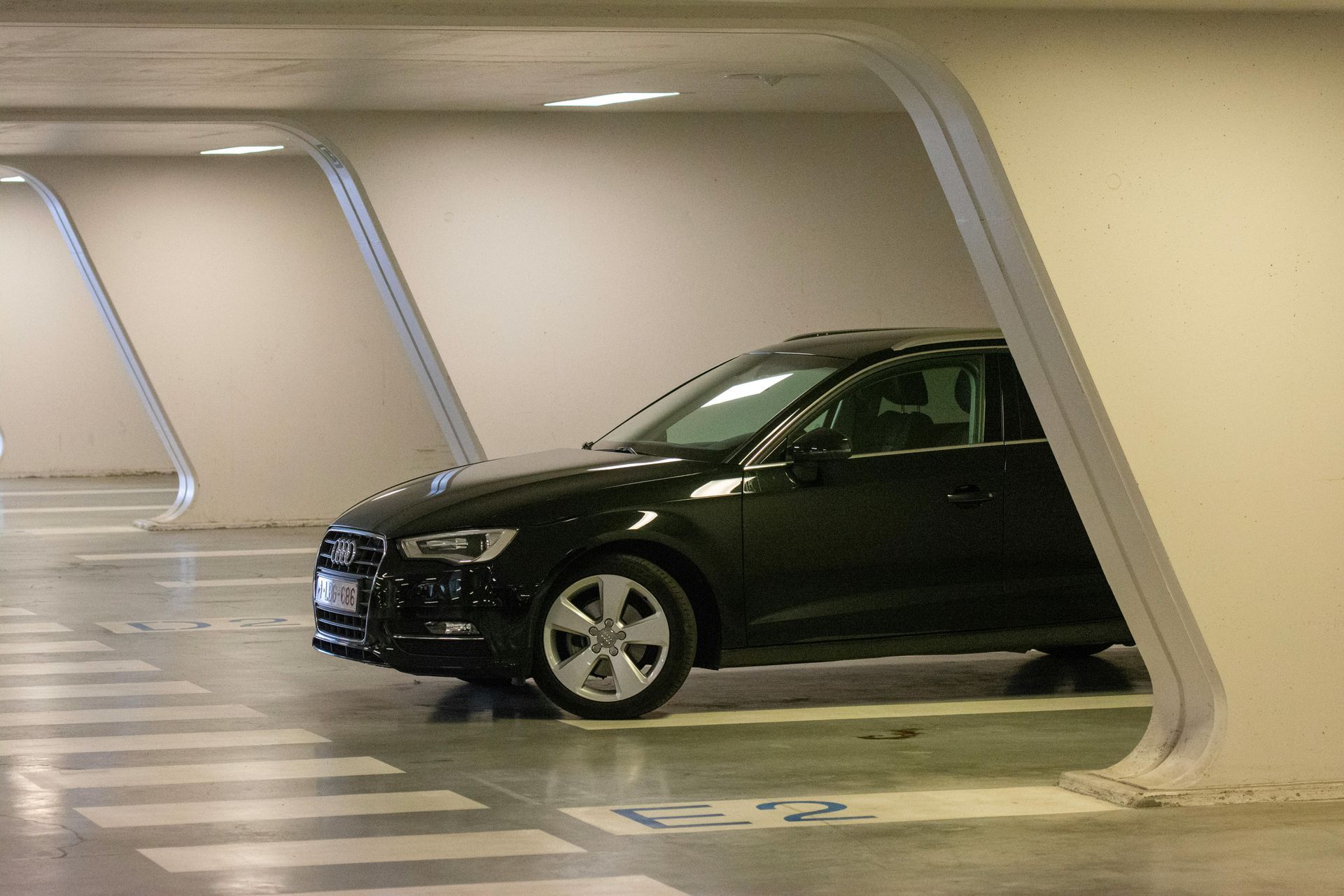
This size is also popular for vehicle storage. Many facilities allow cars, motorcycles, or small recreational vehicles to be stored inside 10x20 units, depending on the property layout and accessibility. Because this unit offers significant capacity, renters often organize their belongings in sections. Furniture may be grouped in one area while boxes and smaller items occupy another. This type of organization helps maintain accessibility if items need to be retrieved later.
How Big Is a 10x30 Storage Unit
A 10x30 storage unit offers 300 square feet of storage space, making it one of the largest standard storage unit sizes available at most facilities. This unit is typically large enough to store the contents of a four or five-bedroom home. Entire households worth of furniture, appliances, and packed boxes can fit inside this space when arranged carefully.
People often rent 10x30 units during long-distance moves or when storing belongings for extended periods of time. Large items such as sectionals, bedroom sets, dining tables, outdoor furniture, and large appliances can be stored together without overcrowding the space. Because the unit is long, many renters create walkways down the center to maintain access to items stored toward the back. Shelving or stacked boxes along the sides allow the space to be used efficiently without blocking entry points.
How Big Is a 15x20 Storage Unit
A 15x20 storage unit provides 300 square feet of space, similar to a 10x30 unit, but the layout is wider rather than longer. This wider design can make it easier to arrange bulky furniture or large equipment. The broader floor plan allows items to be placed side by side rather than stacked tightly along a narrow aisle. This layout is often preferred by renters storing furniture sets, large appliances, or business inventory that requires easier access.
For example, a small business owner storing inventory boxes may appreciate the ability to create organized rows within the unit rather than stacking items vertically in a narrow space. Likewise, homeowners storing furniture during renovations may find it easier to arrange multiple large pieces without disassembling them. Because of its wide layout and substantial square footage, this unit size offers flexibility for both residential and commercial storage needs.
How Big Is a 20x20 Storage Unit
A 20x20 storage unit contains 400 square feet of storage space, making it comparable to a two-car garage. This is among the largest enclosed storage units available at many facilities. This size can accommodate furniture and belongings from a very large home, including multiple bedroom sets, living room furniture, dining tables, appliances, and dozens of boxes. The spacious interior allows renters to create wide aisles for easy movement inside the unit.
Large units like this are often used by businesses to store equipment, staging materials, or bulk inventory. Contractors may store tools and supplies, while retailers sometimes store seasonal merchandise or display fixtures. Because of the extensive floor space, renters often organize these units into sections that resemble rooms within a house. Furniture may occupy one side while boxed items are arranged along another, allowing easy navigation inside the unit.
How to Choose the Right Storage Unit Size
Selecting the right storage unit size becomes easier when you first estimate how many items you plan to store. Creating a simple inventory of furniture, appliances, and box counts can help you visualize the space required. Many renters also benefit from disassembling large furniture pieces before storing them. Bed frames, tables, and shelving units can often be taken apart to reduce the amount of floor space they require. Stacking boxes and using the vertical height of the unit also allows you to store significantly more items.
Planning Storage With a Complete Size Guide
A thorough storage unit size guide and tips allow renters to make confident decisions before moving items into storage. Understanding the dimensions and potential capacity of each unit helps prevent guesswork and ensures your belongings fit comfortably within the space.
Reviewing the available storage options on our facilities page can help you compare unit sizes, locations, and features before choosing the right storage unit for you. Pairing that information with our size guide provides a clear picture of how each unit size compares and what types of belongings typically fit inside. With the right planning and organization, storage units can provide a simple and efficient way to protect belongings, free up space at home, and keep items accessible whenever they are needed.