Indoor vs. Outdoor Storage Units: Which Setup Fits What You’re Storing?
Indoor and outdoor storage units solve the same basic problem, but the experience of using them can differ significantly. An indoor unit usually requires you to enter a building before you can reach your space. An outdoor unit, commonly called a drive-up unit, has a door accessible from outside so you can bring a vehicle directly to it. Neither layout is automatically the right choice for every renter. The better fit depends on what you're storing, how frequently you'll need it, and how you plan to move everything in and out.
At Affordable Family Storage, features vary by property. Some of our locations offer indoor units, while certain properties also have drive-up options. Checking the available storage options in your city before choosing a unit will show you what's offered at the location nearest you.
What Is an Indoor Storage Unit?
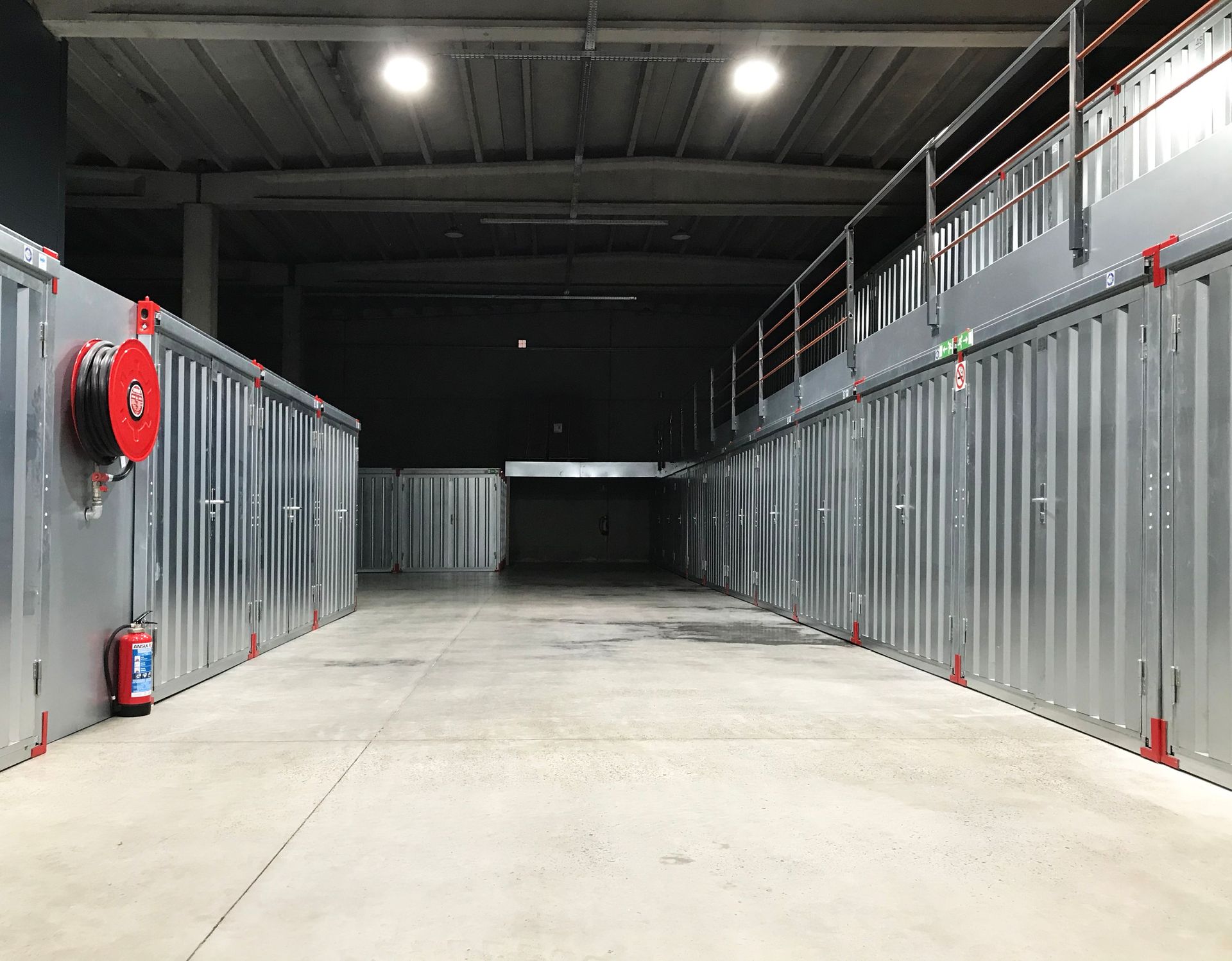
An indoor storage unit is located inside a larger building. You enter the facility first, then make your way to your individual unit. Depending on the property and unit location, this might mean using a hallway, elevator, or other interior access route. One important distinction is that "indoor" and "climate controlled" don't mean the same thing. Indoor describes the unit's location within a building. Climate control refers to how the environment inside the space is managed.
At Affordable Family Storage, we offer temperature-controlled units at our locations, but the exact layouts and features aren't identical from one property to another. For example, our Omaha location at 5646 N 90th St. has indoor climate-controlled units on the ground and second floors, with elevator access to the second floor. Our Lafayette property offers both indoor spaces and drive-up units. That variation is why it's worth looking at a specific property's available units instead of assuming that every indoor space has the same features.
What Is an Outdoor Storage Unit?
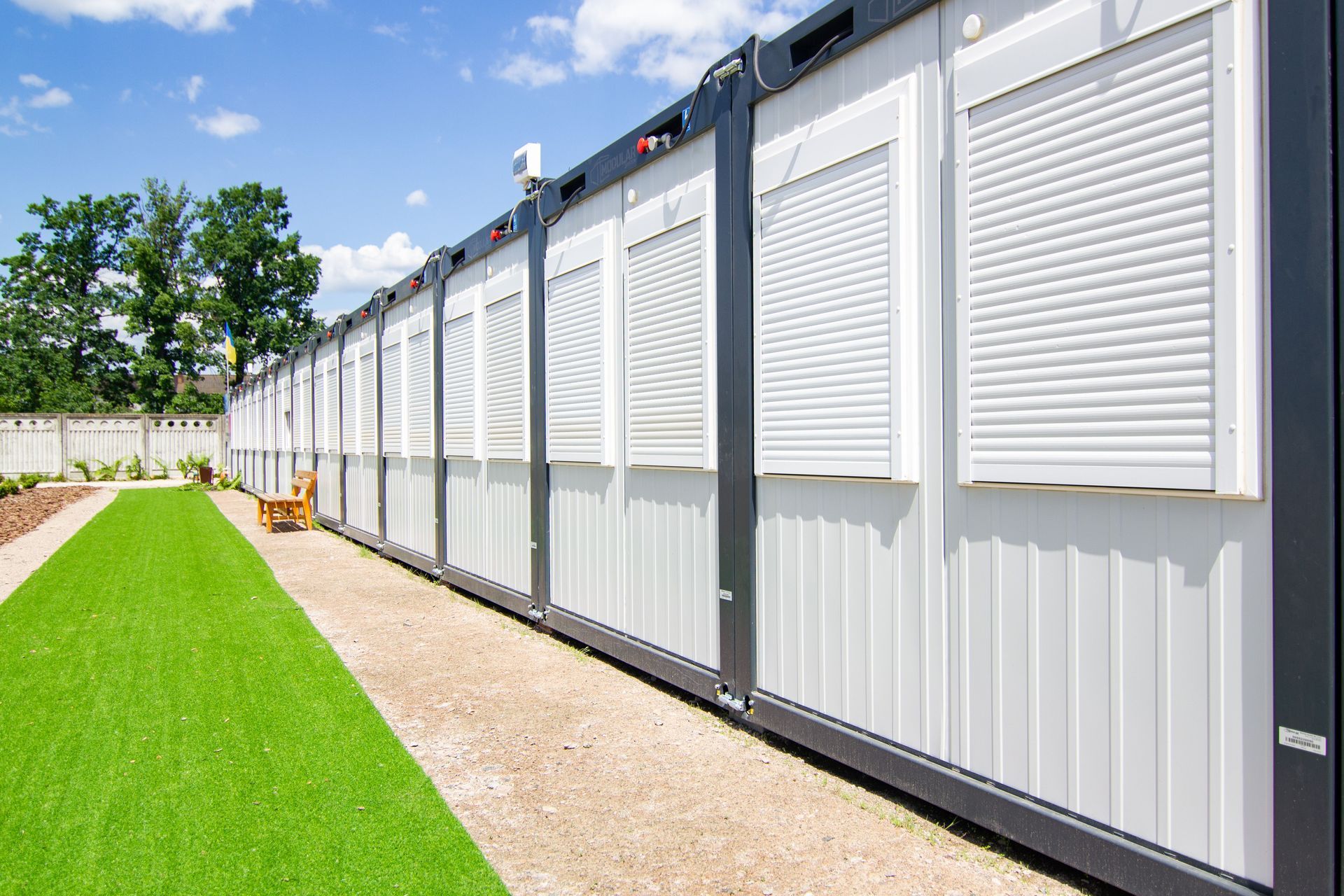
In self storage, an outdoor unit generally refers to an enclosed unit with a door that opens directly to the exterior. You'll also see this layout described as drive-up storage. The main difference is how you reach your belongings. Rather than carrying everything through the building, a drive-up layout lets you pull your vehicle up to the unit door where the property layout permits. Our Urbandale location, for example, offers both indoor climate-controlled units and outdoor drive-up units.
This setup can make a noticeable difference with bulky furniture, appliances, equipment, or a large number of boxes. There's less distance between the vehicle and the unit, so loading and unloading involves fewer steps. Don't confuse an outdoor unit with outdoor vehicle parking. An outdoor drive-up unit is still an enclosed space. A parking space is an open area intended for an eligible vehicle. Our Sugar Land property, for instance, lists climate-controlled indoor units along with outdoor parking for cars, trucks, RVs, motorcycles, and boats.
Access Is the Biggest Practical Difference
The choice between indoor and outdoor storage becomes much clearer when you think about move-in day. With a drive-up unit, you can bring your vehicle close to the unit and transfer belongings from the vehicle into the space. That can be particularly useful for heavy pieces or inventory that you'll retrieve regularly. Our Derby property has drive-up spaces where renters can park directly outside the door.
Indoor storage adds another part to the route. You first enter the building and then move your belongings to the unit. The exact process depends on the facility. A first-floor space may require a relatively short trip through a hallway, while an upper-floor unit could involve an elevator. That doesn't make indoor access inconvenient by definition. It simply means you should check where the unit is within the building before renting, especially if you're storing a sofa, mattress, appliance, or another piece that's difficult to maneuver. If you're comparing several sizes at the same time, our storage unit size guide covers common dimensions from 5x5 through larger spaces and gives examples of what fits in each.
Indoor Units Keep the Loading Route Inside the Building
Once your belongings reach an indoor unit, they're behind the building's exterior as well as the individual unit door. That setup also means much of the trip between the facility entrance and your space takes place indoors. For some renters, that's an important consideration. Furniture, documents, electronics, photographs, and other belongings may warrant more attention to the environment in which they're stored. In those cases, the more important question isn't simply "indoor or outdoor?" It's whether the specific unit offers climate control.
Our facilities include temperature-controlled options, and some properties consist entirely of indoor climate-controlled spaces. At our Des Moines property at 3400 E 33rd Street, for example, every unit is climate-controlled. The same is true at our Martin Luther King Jr. Parkway location in Des Moines. If environmental conditions matter for what you're storing, verify the climate-control designation rather than relying on the word "indoor."
Drive-Up Units Reduce the Carrying Distance
Outdoor drive-up storage has a straightforward advantage: you don't have to move everything through an interior route before reaching the unit. Consider a large piece of furniture. With an indoor space, you'll need to get the piece through the building entrance and along the route to the unit. With drive-up access, the distance from your vehicle to the storage space is much shorter.
The same distinction matters for business inventory or equipment that's moved regularly. If you'll visit the unit frequently and load several items each time, the access layout deserves as much consideration as the unit's square footage. Not every Affordable Family Storage property offers the same arrangement. Our Lafayette facility, for example, confirms drive-up access alongside indoor units, while our Omaha location at 90th Street states that every unit there is indoors.
Which Items Make Sense in an Indoor Unit?
Start with the item's storage requirements rather than making a broad list of everything that "belongs" indoors. If an item is sensitive to changes in temperature or humidity, look specifically for climate-controlled storage. Our facility information identifies items such as electronics, wooden furniture, documents, and photographs as examples of belongings commonly suited to climate-controlled spaces.
Indoor units can also work well when you simply prefer an interior loading route and don't need to pull a vehicle directly to the unit door. Size still matters. A small indoor space might be appropriate for boxes and smaller furniture, while a household move may require considerably more room. Our 5x5, 5x10, 10x10, 10x15, 10x20, and 10x30 size references illustrate how quickly capacity changes as dimensions increase.
When Does a Drive-Up Unit Make More Sense?
Drive-up access is worth considering when the loading process is a priority. Large furniture and appliances are obvious examples because carrying them through a building can add work to a move. The same applies to boxes or business items that you'll retrieve regularly. Being able to bring a vehicle to the unit door reduces how far those items need to be carried.
Some larger drive-up units may also support vehicle storage, but this is highly location-specific. Our size guide notes that vehicles can be stored in 10x20 units at some Affordable Family Storage locations, while our Lafayette property specifically has large drive-up spaces for car and RV storage. Check with the individual property before planning to store a vehicle inside a unit. Availability, dimensions, access, and permitted uses differ by location.
Indoor vs. Outdoor Storage Isn't the Only Decision
Once you've chosen an access style, you still need the right amount of space. A drive-up unit that's too small won't become more useful because it's easy to reach. Likewise, paying for a large indoor unit when your belongings would fit comfortably in something smaller doesn't solve anything.
Make a basic inventory before comparing available units. Measure bulky pieces, count your boxes, and note anything that won't stack easily. Our size guide recommends listing boxed and unboxed items and their quantities before estimating the space required. Think about access inside the unit too. Packing every square foot tightly can work if you're storing everything until a single move-out date. If you'll retrieve belongings periodically, leaving a path to important boxes or furniture is more useful. Our self storage FAQ covers this and other common questions about sizing, organization, cost, and renting a unit.
Compare the Actual Unit, Not Just the Label
"Indoor" and "outdoor" are useful starting points, but they don't tell you everything about a unit. For an indoor space, check whether it's climate-controlled, which floor it's on, and how you'll reach it. For an outdoor space, confirm that you're looking at an enclosed drive-up unit rather than a parking space. Then compare the available dimensions with the items you're bringing.
Affordable Family Storage operates properties with different layouts, so the options won't be identical everywhere. If you're deciding between indoor and drive-up access, you can
explore storage options from Affordable Family Storage and check the unit types available at the property that works for your area. The useful question isn't which type of storage is better overall. It's which specific space gives your belongings the environment, dimensions, and access they actually require.