Self Storage FAQ: The Most Common Storage Unit Questions Answered
People often have a long list of questions the first time they consider renting a storage unit. Storage facilities may seem straightforward at first glance, but there are several details worth understanding before choosing a unit. Knowing how storage works can make the process more comfortable and help ensure your belongings remain safe and organized while stored.
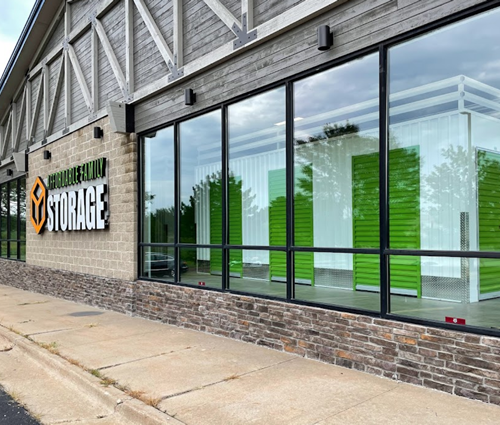
One of the best starting points is exploring available locations and storage features through the Affordable Family Storage facilities page. Seeing how storage facilities operate, the types of units available, and the amenities offered can provide a clearer picture of what to expect before renting a space.
Self-storage has become increasingly common in the United States. According to the Self Storage Association, the industry serves millions of renters every year as households seek flexible solutions for managing belongings. The growing popularity of storage reflects changes in living spaces, moving patterns, and the need for temporary storage during life transitions. This guide answers some of the most common questions people ask about storage units so you can better understand how they work and how to use them effectively.
What Exactly Is a Self Storage Unit?
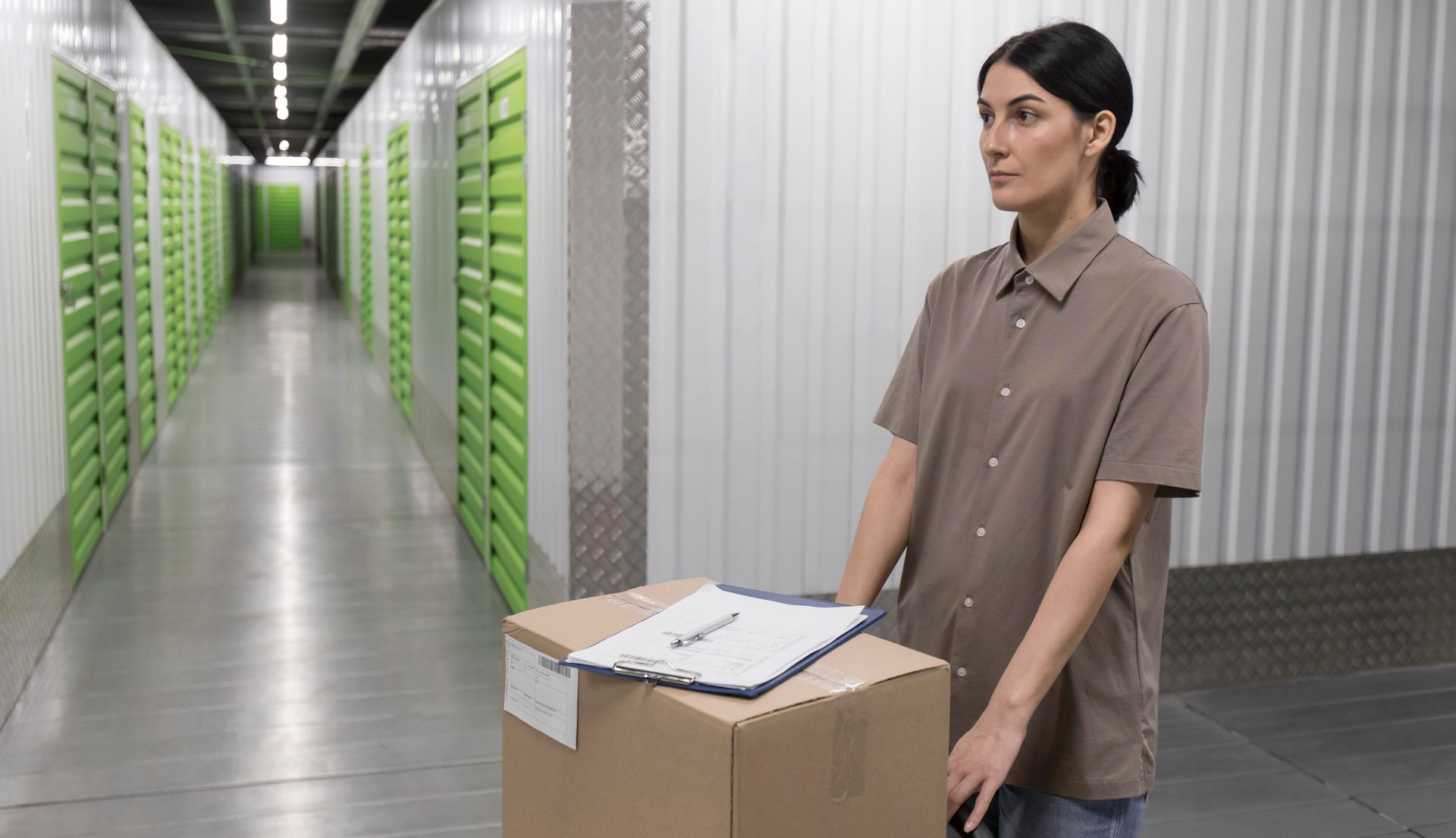
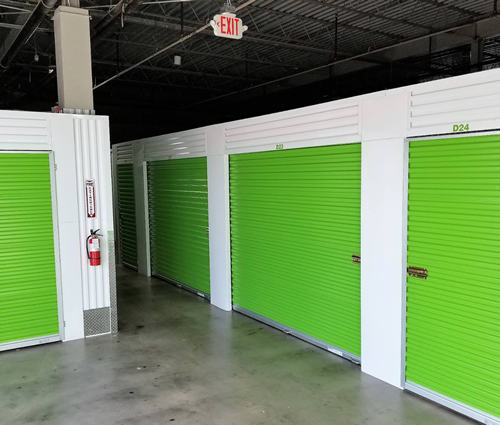
A self-storage unit is a private, rented space located inside a storage facility where individuals or businesses can keep belongings for short or long periods of time. Each unit typically has its own door and lock, allowing renters to control access to their stored items. Facilities usually provide security features such as gated entry systems, camera monitoring, and controlled access hours.
Storage units vary widely in size. Smaller units may resemble a walk-in closet and are often used for boxes or small furniture. Larger units can hold the contents of an entire home, including appliances, mattresses, and multiple pieces of furniture. Some storage units are located indoors, while others provide drive-up access similar to a garage.
The flexibility of self-storage is one of its most appealing features. Renters can access their belongings during facility hours and keep items stored for as long as necessary, making storage a convenient extension of living space.
How Do I Choose the Right Storage Unit Size?
Selecting the correct storage unit size is one of the most important decisions renters make. Choosing a unit that is too small can make organization difficult, while selecting a unit that is too large may result in paying for unused space. To determine the right size, many people begin by estimating how many rooms' worth of belongings they plan to store. Furniture size, number of boxes, and whether appliances will be included all play a role in determining space requirements.
Visualizing the layout of your belongings can be helpful. Resources such as ourstorage unit size guide provide examples of how common household items fit within different unit dimensions. This type of reference helps renters better understand how much space furniture, boxes, and large items will occupy.
You can also explore measurement explanations through our storage size guide tool, which outlines typical storage unit dimensions and the types of belongings that fit comfortably within each storage size. Planning when selecting a unit often makes packing and organization much easier once items are moved into storage.
How Much Does Self Storage Typically Cost?
Storage costs can vary based on several factors, including unit size, location, and additional features offered by the facility. Larger units naturally cost more than smaller spaces because they provide more square footage. Climate-controlled units may also have slightly higher prices because they maintain consistent temperature and humidity levels.
Location also plays a role in storage pricing. Facilities located near densely populated neighborhoods or major cities may experience higher demand, which can influence rental rates. Storage availability can fluctuate seasonally as well, especially during busy moving periods.
Although pricing structures differ between facilities, many storage rentals operate on month-to-month agreements. This flexible structure allows renters to keep a unit for the exact amount of time needed without committing to long contracts.
Are Storage Units Secure?
Security is one of the most important considerations when storing personal belongings outside the home. Modern storage facilities incorporate several protective measures designed to reduce unauthorized access and help keep items safe. Most facilities include controlled gate entry systems that require keypad codes for access. These entry systems limit access to authorized renters and staff members. Security cameras are also commonly installed throughout the property to monitor activity around storage units and entry points.
Individual unit security is also important. Renters typically provide their own lock to secure the storage door. Choosing a durable lock and keeping the access code private can help add another layer of protection for stored belongings. While security features vary between locations, the goal of most storage facilities is to provide a controlled environment that keeps stored items protected.
What Is Climate-Controlled Storage?
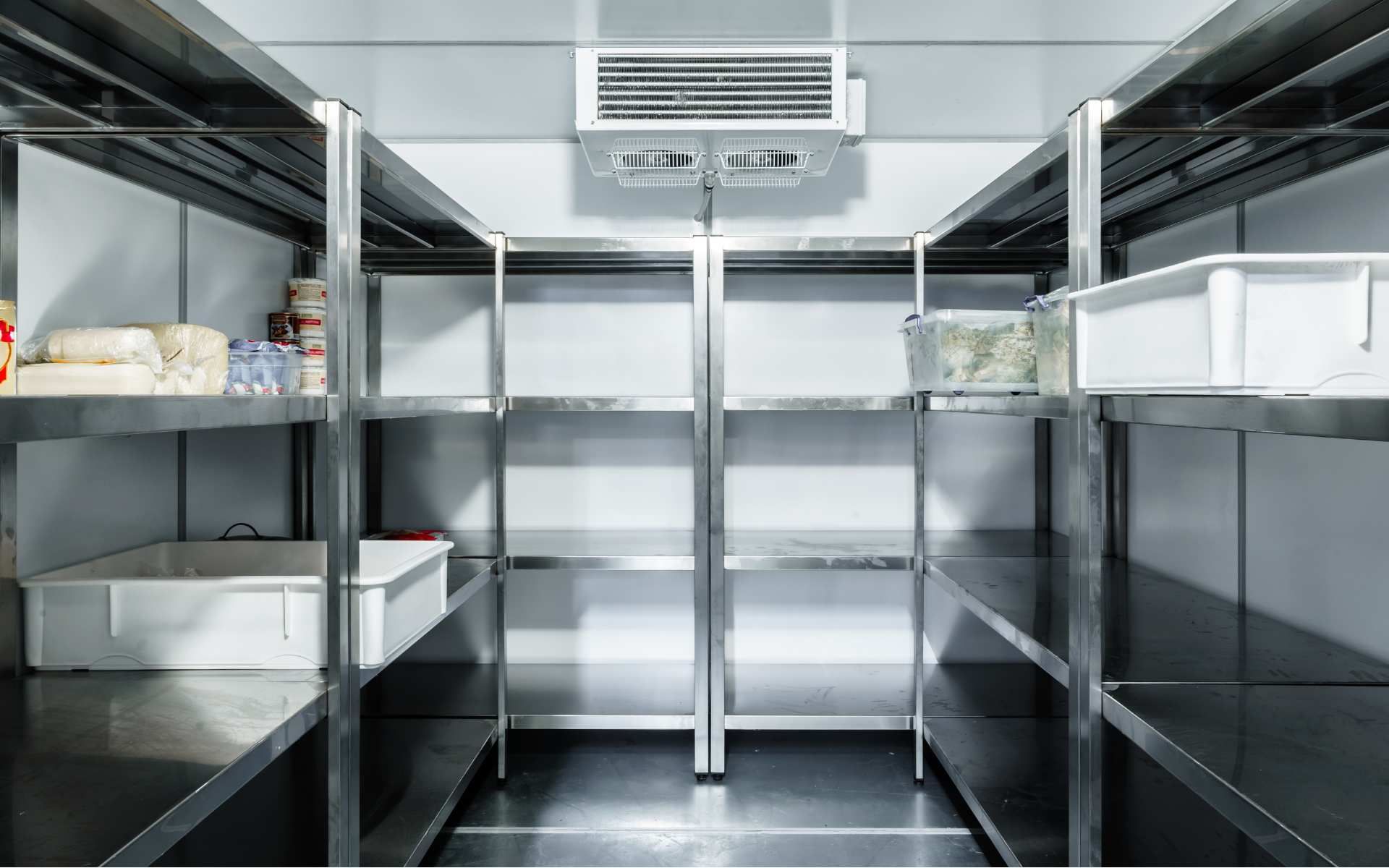
Climate-controlled storage units regulate temperature and humidity levels within the storage environment. These units are designed to help protect items that may be sensitive to extreme weather conditions. Temperature fluctuations and high humidity levels can affect materials such as wood, paper, leather, and electronics over time. Climate-controlled units help reduce the risk of damage by maintaining stable conditions throughout the year.
Items that often benefit from climate-controlled storage include wooden furniture, artwork, electronics, photographs, and musical instruments. Documents and paper-based materials also tend to last longer when stored in stable environments.
Weather conditions can influence how materials age and deteriorate. Prolonged exposure to high heat and humidity can accelerate wear on many common materials. Climate-controlled storage helps minimize these environmental effects.
How Long Can I Keep a Storage Unit?
One advantage of self-storage is flexibility. Most storage facilities allow renters to keep their unit for as long as they need it, whether that means a few weeks or several years. Short-term storage is often used during moving periods, home renovations, or temporary relocations. Long-term storage may be used for seasonal belongings, archived documents, or items that are not frequently needed but still worth keeping. Because many storage agreements operate on monthly terms, renters can extend their storage period as necessary without long-term commitments. This flexibility allows storage to adapt to changing needs over time.
What Items Cannot Be Stored in a Storage Unit?
Although storage units are designed to hold a wide variety of items, certain belongings are restricted for safety and legal reasons. Hazardous materials are typically prohibited because they can pose risks to the facility and other renters.
Flammable liquids, explosives, and chemicals are usually not permitted in storage units. Perishable food items are also restricted because they can attract pests and create sanitation concerns. Illegal items are strictly prohibited as well. Most storage facilities provide renters with a list of restricted items when signing the rental agreement so that all units remain safe and compliant with safety regulations.
How Should I Organize a Storage Unit?
Proper organization can make a significant difference in how useful a storage unit becomes over time. Without a plan, storage spaces can quickly become difficult to navigate. Many renters begin by placing larger furniture pieces along the walls of the unit. Boxes and smaller items are then stacked toward the center or placed on top of stable surfaces. Leaving a small pathway inside the unit can make it easier to retrieve items stored in the back.
Careful packing also helps protect fragile belongings. Wrapping delicate items and labeling boxes clearly makes it easier to identify contents without opening every container. Additional organization strategies are discussed in the related article on self-storage tips, which focuses on practical ways to maximize space and protect stored belongings.
Understanding how storage facilities operate can make renting a unit far less intimidating. Many of the most common questions involve simple concerns about size, security, cost, and organization. Once these details become clear, storage often becomes a practical and convenient solution for managing belongings.
Exploring storage features and available unit sizes can help renters find an option that fits their needs. Information about locations and available storage unitscan be found through our Affordable Family Storage facilities page, while detailed storage measurement guidance is available through the storage size guide. With a basic understanding of how storage works, renters can approach the process with confidence and make better decisions about how to store and protect their belongings.