Self Storage Tips: Smart Strategies Based on the Questions Renters Ask
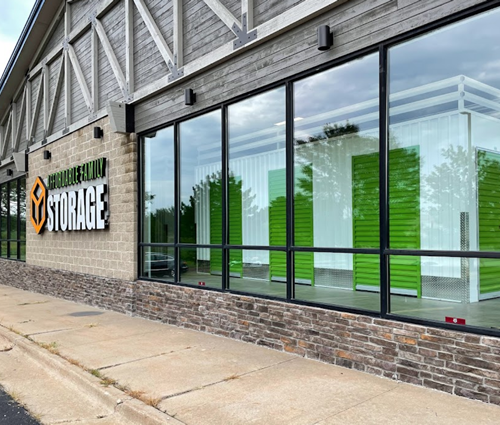
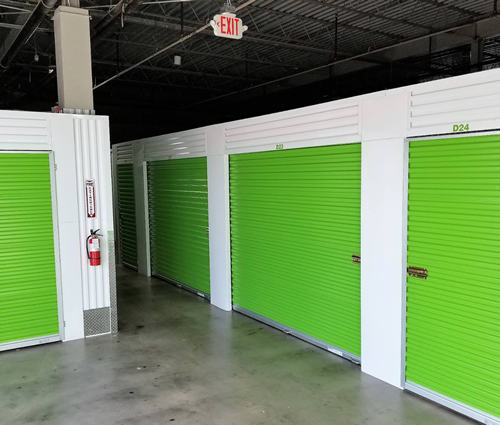
When people prepare to move items into storage, they often discover that packing and organizing a storage unit requires more planning than expected. Questions about how to arrange furniture, protect belongings, and maximize space are extremely common among first-time renters. Exploring available facilities and storage options can help people understand how units are structured and what features they offer. Looking through the Affordable Family Storage facilities page can provide helpful context about the layout and types of storage units available before moving items into storage.
The growing demand for storage space has encouraged people to develop practical methods for organizing their units. Many of the most effective storage tips come directly from the questions renters frequently ask when preparing to store their belongings. This guide highlights several of those strategies, offering practical advice that can make storage more efficient and easier to manage.
Start by Planning the Layout of Your Unit
One of the most overlooked steps in storage preparation involves planning how items will be arranged inside the unit before loading begins. Without a plan, it is easy to fill the unit quickly while creating an arrangement that makes it difficult to locate or retrieve items later. Thinking about how belongings will fit together helps prevent overcrowding and reduces the chance of needing to unpack everything later to find a single item. Many people begin by grouping items into categories such as furniture, boxes, seasonal decorations, or office materials.
Understanding how much space each item requires also makes planning easier. Our storage unit size guide provides examples of how furniture and boxes fit inside different storage unit sizes. Reviewing these examples helps renters visualize how to arrange their belongings before moving them into the unit. For additional guidance on unit dimensions and layouts, our storage size tool explains how many items typically fit within each storage size.
Pack Items to Protect Them During Storage
Packing belongings carefully helps prevent damage during long-term storage. Items that are packed loosely or without protection may shift during stacking or become scratched over time. Boxes should be sturdy enough to support stacking without collapsing. Heavier items are usually placed at the bottom of stacks, while lighter boxes are placed on top. Fragile belongings benefit from protective wrapping materials such as bubble wrap or packing paper.
Labeling boxes clearly also plays a major role in organization. When labels are visible on multiple sides, renters can identify contents without opening every box. Good packing habits early in the process often determine how organized the storage unit remains months later.
Protect Furniture and Large Items
Furniture often occupies the most space inside a storage unit and requires special attention during packing. Without protection, furniture surfaces can collect dust or develop scratches while stored. Covering furniture with blankets or protective covers helps shield surfaces from dust and debris. Mattresses can be placed inside protective mattress bags to help maintain cleanliness. If furniture can be disassembled safely, separating pieces often saves space and simplifies stacking.
Appliances should always be cleaned and dried thoroughly before being placed in storage. Moisture left inside appliances can cause odors or mold if items remain unused for long periods of time. Environmental conditions can also influence how materials age during storage. Prolonged exposure to heat and humidity can affect wood, fabrics, and electronics. Climate-controlled units can help reduce these risks by maintaining stable temperature conditions.
Make Use of Vertical Storage Space
Storage units often have higher ceilings than people initially expect. Taking advantage of vertical space can significantly increase the amount of storage available within a unit. Stacking boxes carefully allows renters to store more belongings without expanding the footprint of their storage arrangement. Shelving units can also be useful for keeping boxes organized and preventing unstable stacks.
Some furniture pieces can be stored upright to save floor space. Tables, bed frames, and lightweight shelving units can often be positioned vertically as long as they remain stable. The goal is to use available height while maintaining safe stacking practices that prevent items from shifting or falling.
Maintain Accessibility Inside the Unit
Accessibility is another common concern among renters. When storage units are packed tightly from front to back, retrieving a single item can become frustrating. Leaving a narrow pathway through the center of the unit allows renters to reach items stored deeper inside the space. Although this approach slightly reduces total storage capacity, it dramatically improves convenience.
Creating sections within the unit also helps maintain order. For example, frequently accessed items might be placed near the entrance, while long-term storage boxes are placed further back. Small organizational adjustments like these often make storage much more practical over time.
Keep Track of Stored Items
An inventory list may seem unnecessary when initially packing a storage unit, but it becomes extremely valuable over time. Recording the contents of boxes or labeling containers with numbers allows renters to track where items are stored. Some people maintain a simple digital list that describes what is inside each box. Others use numbered labels that correspond with an inventory sheet. This system reduces the time spent searching through boxes and helps ensure that important belongings remain easy to locate months after being stored.
For readers who want a deeper understanding of how storage facilities operate and what renters commonly ask before renting a unit, our article on self-storage FAQ explores those questions in detail. Many of the most effective storage strategies develop from the questions people ask while preparing to store their belongings. Learning how to organize a unit, protect furniture, and maintain accessibility can transform a storage unit into a well-structured space rather than a crowded container.
Taking time to understand facility layouts and storage sizes can simplify the planning process before items are moved into storage. The Affordable Family Storage facilities page provides helpful information about
storage unit sizes and options available. With thoughtful organization and careful packing, storage units can function as reliable extensions of the home, keeping belongings secure and accessible for as long as they are needed.