How to Store a Car Long Term So It Drives Like New
Storing a car for a few months may seem simple at first. You park it, lock it, and walk away. But anyone who has returned to a vehicle after a long break knows it does not always go that smoothly. Dead batteries, flat-spotted tires, stale fuel, musty odors, and unexpected engine issues are all common when a car sits without proper preparation.
Learning how to store a car long-term so it drives like new is one of the best ways to protect your investment. Proper storage prevents weather damage, mechanical wear, tire damage, and the gradual decline that occurs when vehicles sit idle. With a thoughtful approach and the right storage environment, your car can remain reliable, clean, and road-ready no matter how long it stays parked.
The good news is that long-term car storage does not have to be complicated. A few preventative steps before storage, combined with occasional check-ins, can make all the difference when it is time to turn the key again.
Why Long-Term Car Storage Matters
Even when a vehicle is not being driven, it is still affected by time and its surroundings. Temperature swings, moisture in the air, and simple inactivity slowly impact your vehicle’s systems.
In places like Wichita, Kansas, summers bring heat and humidity, while winters can introduce freezing temperatures and ice. According to the National Weather Service, Kansas experiences wide seasonal temperature variations that can stress vehicles left exposed to the elements.
Repeated expansion and contraction from heat and cold can affect rubber seals, belts, and hoses.
In Lafayette, Louisiana, humidity is often the bigger concern. The region’s humid subtropical climate creates moisture-rich air throughout much of the year. The National Oceanic and Atmospheric Administration explains that high humidity increases the risk of corrosion, especially when metal surfaces are not protected. That moisture can affect everything from brake components to electrical systems if a car is not stored properly.
Beyond weather, inactivity itself creates problems. Tires gradually lose pressure and can develop flat spots. Batteries slowly discharge. Fuel begins to degrade without stabilizers. Fluids settle and lose some of their protective properties. Even dust and small pests can take advantage of a stationary vehicle.
Long-term storage done correctly acts as a shield against these issues. It protects both your car's mechanical systems and its appearance, helping ensure it drives like new when you are ready to use it again.
Storage Location and Regional Weather Considerations
Where you store your car plays a major role in how well it holds up over time. Geography matters.
Wichita sits along the Arkansas River in south central Kansas and experiences hot summers, thunderstorms, and cold winters. Vehicles left outdoors face intense sun exposure in July and freezing temperatures in January. In these conditions, indoor or covered storage can significantly reduce weather-related stress.
Lafayette, located in Louisiana’s Acadiana region near the Gulf Coast, faces high humidity and frequent rainfall. Moisture control becomes especially important in this environment to prevent rust and mildew.
Choosing the right environment means thinking beyond convenience. It means considering how seasonal weather patterns affect your specific vehicle. If you are unsure whether indoor or climate-controlled storage is right for you, our article Climate Controlled Storage in Wichita KS offers helpful insights on climate-controlled storage, explaining how temperature regulation protects belongings from weather extremes.
Preparing Your Car for Long-Term Storage
Proper preparation is what separates successful long-term storage from costly repairs later. Taking a few hours to prepare your vehicle can save you significant time and money down the road.
- Start with a thorough cleaning. Wash and dry the exterior to remove dirt, road salt, and contaminants that could damage the paint over time. Applying a coat of wax adds an extra protective layer. Inside the vehicle, remove trash, vacuum thoroughly, and wipe down surfaces. Even small crumbs can attract pests if left behind.
- Next, address your fluids. Changing the oil before storage removes contaminants that may otherwise sit in the engine. Top off coolant and other essential fluids to reduce the risk of internal corrosion.
- Fuel stabilization is another important step. Fill the gas tank to reduce condensation and add a fuel stabilizer to prevent breakdown. After adding the stabilizer, run the engine briefly to circulate it through the system.
- Battery care is often overlooked. Disconnecting the battery or using a battery maintainer prevents it from draining completely. Extreme temperatures in both Kansas winters and Louisiana summers can accelerate battery discharge.
- Tires also need attention. Inflate them to the manufacturer’s recommended pressure before storage. If the vehicle will remain stationary for an extended period, consider slightly over-inflating within safe limits to help reduce flat spotting.
- Finally, think about pest prevention. Ensure the storage area is clean and as much as possible, sealed. Rodents are known to damage wiring and insulation if given access to a stationary vehicle.
Choosing the Right Storage Environment
Your choice of storage environment plays a critical role in keeping your vehicle in excellent condition. Not all storage options provide the same level of protection.
Outdoor uncovered parking may work for very short periods, but it leaves your vehicle exposed to ultraviolet rays, rain, hail, and fluctuating temperatures. Over time, sun exposure fades paint and dries out interior materials, while moisture increases the risk of corrosion.
Covered parking offers better protection from direct sun and precipitation, but humidity and temperature swings still affect the vehicle.
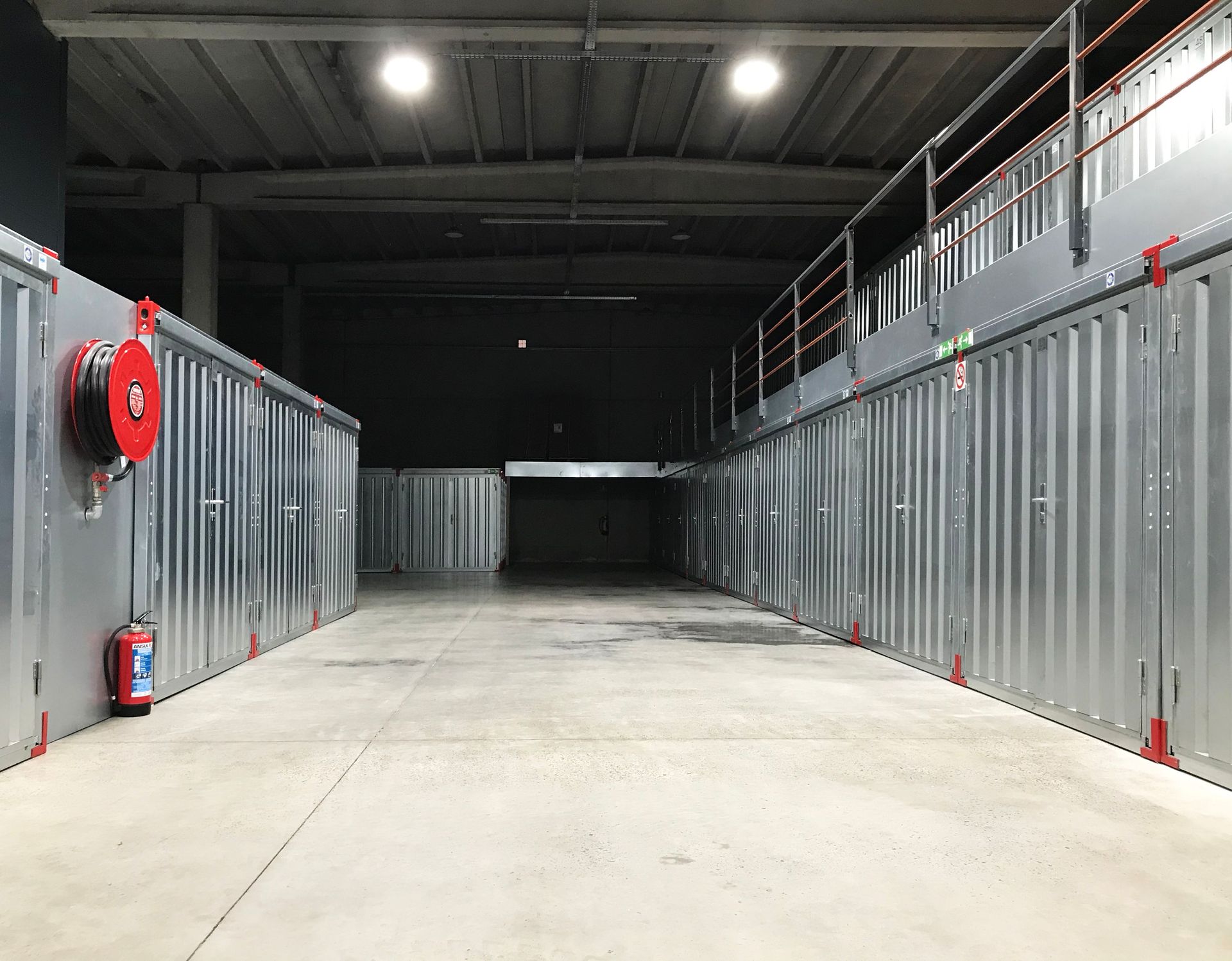
Indoor storage, particularly in climate-controlled units, provides the highest level of protection. Regulated temperature and humidity reduce the likelihood of rust, mold, battery strain, and rubber component deterioration. For vehicles being stored for several months or longer, this level of protection is often worth considering.
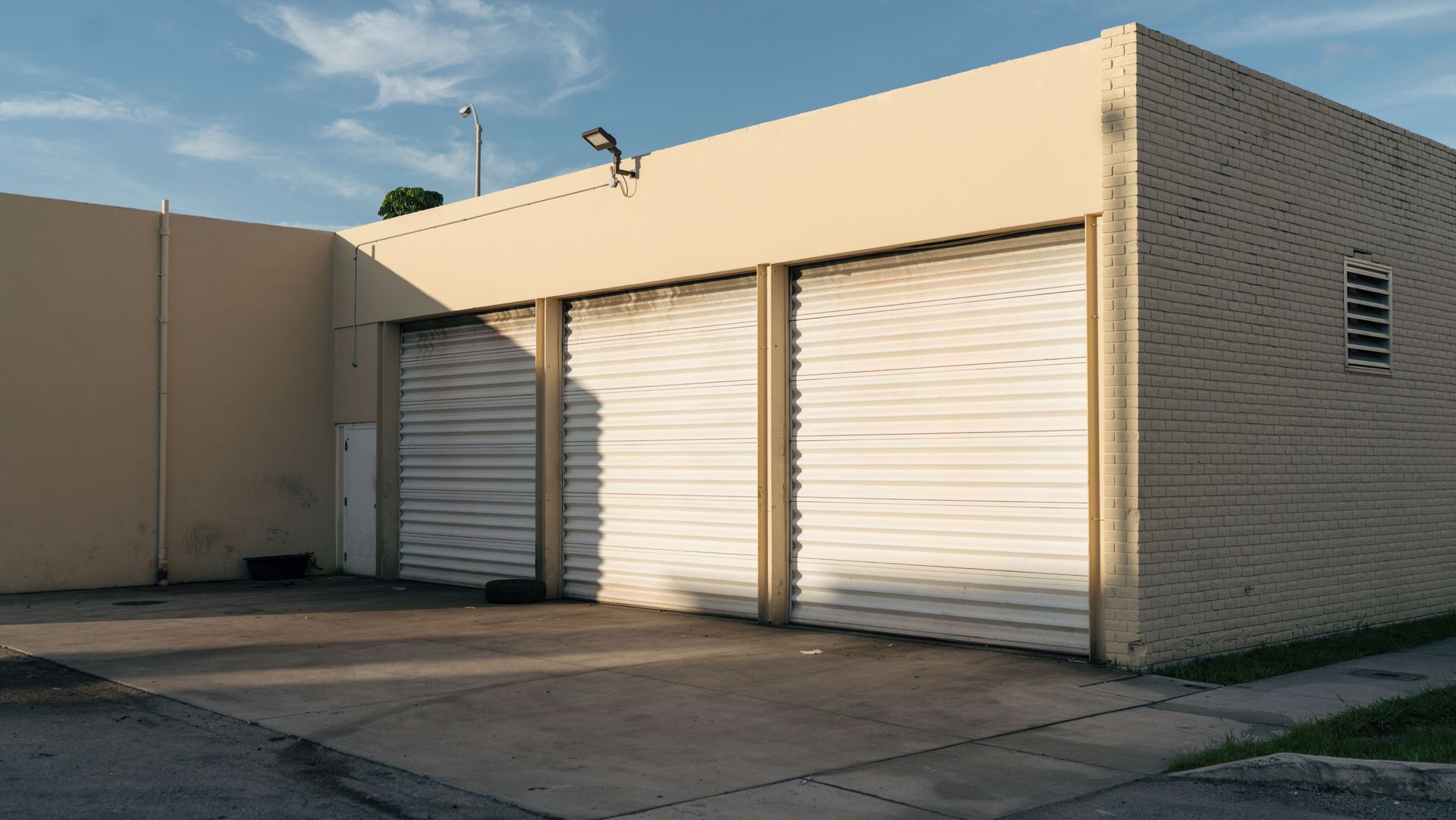
Affordable Family Storage provides secure drive-up units and indoor storage options that accommodate vehicles. If you are evaluating space needs, our guide on what size storage unit you need can help you determine the appropriate dimensions for your vehicle.
Monthly and Seasonal Maintenance Tips
Once your vehicle is stored, occasional check-ins help preserve its condition. Long-term storage does not mean complete neglect.
Visiting your car monthly or every other month allows you to start the engine and circulate fluids. This keeps internal components lubricated and reduces the chance of seals drying out. During these visits, check tire pressure and ensure the battery remains charged.
Inspect the vehicle for leaks, signs of pests, or moisture buildup around windows and doors. Catching small issues early prevents larger problems later.
Seasonal adjustments are especially important in regions served by Affordable Family Storage. During humid Louisiana summers, moisture absorbers inside the cabin can help reduce the risk of mildew. During colder Kansas winters, confirm that antifreeze levels are appropriate and tire pressure has not dropped due to temperature changes.
These simple routines help ensure your car remains road-ready rather than repair-ready.
Benefits of Proper Long-Term Storage
Long-term car storage is not just about parking space. When done correctly, it protects performance, appearance, and long-term value.
Shielding your vehicle from harsh weather helps prevent unnecessary depreciation. Maintaining fluid levels, battery health, and tire pressure reduces mechanical strain. Protecting paint, upholstery, and trim preserves resale value.
Secure storage also adds peace of mind. Knowing your vehicle is in a monitored, protected environment lets you focus on other priorities without worrying about damage or deterioration.
Over time, these benefits add up. A well-stored car often feels and performs noticeably better than one left exposed to the elements.
Storage Options Near You
Affordable Family Storage offers convenient vehicle storage solutions across multiple locations:
- If you are searching for car storage in Wichita, Affordable Family Storage Wichita West provides secure options designed to handle Kansas weather conditions.
- For residents in southwestern Iowa, vehicle parking near Council Bluffs is available at AFS Council Bluffs. This facility offers accessible storage solutions for local drivers.
- In southern Louisiana, storage for your car in Lafayette, LA, is available at AFS Lafayette. Indoor and protected options are especially valuable in the region’s humid climate.
Learning how to store a car long-term so it drives like new is about preparation, environment, and consistency. A clean vehicle, stabilized fuel, protected battery, and secure storage space all work together to preserve performance and appearance.
With thoughtful planning and the right storage solution, your car can remain dependable and ready for the road whenever you need it again.