Winter Storage in Wichita: Why Climate Control Is Worth Considering Before the Cold Arrives
Winter storage requires a little more thought when you're putting away furniture, electronics, or belongings you won't need again until spring. Cold temperatures and changing indoor conditions can affect certain materials, particularly when items are stored for several months without being checked. At Affordable Family Storage, we offer indoor climate-controlled units at two Wichita properties. Residents comparing storage options in Wichita can consider our South Meridian Avenue location or our Wichita West property on 21st Street, depending on which address better fits their routine. Both locations offer climate-controlled storage, daily tenant access, and month-to-month rentals. These features are useful for people preparing belongings for the winter season.
Why Winter Storage Conditions Matter
The main concern with winter storage isn't simply that belongings become cold. Different materials respond to changes in temperature and moisture, and repeated fluctuations can affect their condition. Wood expands and contracts as moisture levels change. Some adhesives and finishes may also be sensitive to unsuitable storage conditions. Electronics can be affected by condensation, particularly when cold equipment is moved into a warmer environment.
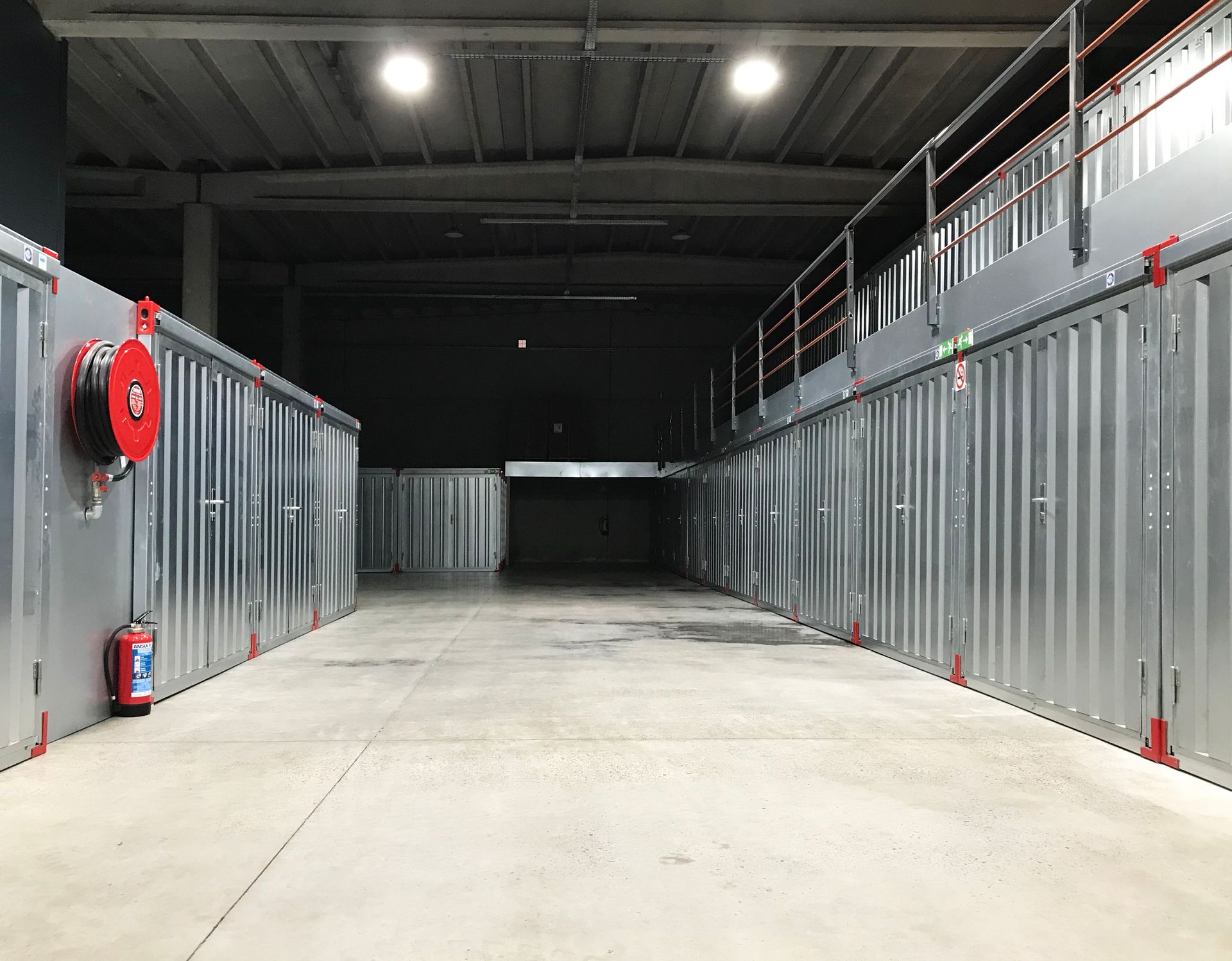
A conventional storage space may experience greater temperature fluctuations than an indoor climate-controlled unit. For belongings that are sensitive to those changes, choosing a regulated environment is worth considering. Our Wichita facilities provide indoor climate-controlled units designed to maintain more consistent storage conditions throughout the year.
What Should You Store in a Climate-Controlled Unit During Winter?
Wooden Furniture
Wooden tables, dressers, bed frames, and cabinets are common storage items during moves or home renovations.
Changes in surrounding humidity can cause wood to absorb or release moisture. Over time, that movement may affect joints, finishes, or the shape of individual components. Clean furniture before storing it and allow all surfaces to dry. Remove detachable components when appropriate, protect finished surfaces with breathable covers, and avoid placing heavy boxes on delicate furniture. Climate control provides a more consistent environment, but proper packing remains important.
Electronics and Appliances
Televisions, computers, audio equipment, and other electronics contain components that require careful handling. Before storing them, disconnect cables and remove batteries when appropriate. Use original packaging or suitable protective materials, and keep equipment positioned according to the manufacturer's instructions. When retrieving electronics after prolonged cold exposure, allow them to acclimate to the new indoor environment before turning them on. This reduces the risk associated with condensation. Appliances also require preparation. Refrigerators and freezers should be emptied, defrosted, cleaned, and thoroughly dried before storage.
Photographs, Documents, and Books
Paper records and photographs can deteriorate when exposed to unsuitable moisture conditions. Store important documents in appropriate containers rather than leaving them loose in cardboard boxes. Archival-quality materials are preferable for photographs and records you intend to preserve for years. Books should be clean and dry before packing. Avoid placing excessive weight on delicate bindings, and don't pack books tightly enough to bend their covers. For especially valuable records or collections, specialized archival storage may be necessary.
Leather and Upholstered Furniture
Leather and fabric furniture need protection from moisture and unsuitable temperature conditions. Before storage, vacuum upholstered surfaces and allow cleaned materials to dry completely. Use breathable furniture covers and avoid wrapping upholstery tightly in plastic. Leather should be cleaned and conditioned only with products appropriate for its finish. Follow the furniture manufacturer's care instructions rather than applying unfamiliar treatments immediately before storage. A climate-controlled unit reduces exposure to environmental fluctuations, but it won't correct moisture already trapped inside furniture.
Climate Control Versus Refrigerated Storage
Climate-controlled storage and refrigerated storage serve different purposes. A climate-controlled unit maintains a more consistent indoor environment for ordinary household belongings. Refrigerated and freezer storage operate at lower temperatures for products that require specific cold conditions. This distinction matters for business owners who may be storing inventory during winter. Ordinary climate control is not appropriate for products that must remain refrigerated or frozen. Our guide to modern cold storage explains the different requirements involved in temperature-sensitive commercial storage. Businesses handling perishable products can also review our article on cold storage and its importance for business.
Our Two Climate-Controlled Storage Locations in Wichita
Both of our Wichita properties offer indoor climate-controlled units, but their addresses make them useful for different parts of the city.
South Meridian Avenue: 3100 S Meridian Ave, Wichita, KS 67217
Our Meridian property is on Wichita's south side, near the 31st Street South corridor. All rentals at this location are indoor and climate-controlled, with daily tenant access from 6:00 a.m. to 10:00 p.m.
Wichita West: 1801 W 21st St, Wichita, KS 67203
Our Wichita West property sits on 21st Street west of Amidon Avenue. Every unit is indoors and climate-controlled, and tenant access is available daily from 6:00 a.m. to 10:00 p.m.
Both properties offer month-to-month rentals. Our published policies require 20 days' notice before moving out, and the final rental period is not prorated. Neither location offers outdoor vehicle parking, so customers seeking car or RV storage should look for a property specifically equipped for that purpose.
How to Prepare Belongings for Winter Storage
Start with a careful inspection of everything you plan to store. Clothing, furniture, and household items should be clean and completely dry before packing. Use sturdy containers that can support the weight of their contents. Label boxes clearly and keep fragile items separated from heavy equipment. For furniture, protect exposed surfaces and avoid stacking heavy belongings on top of pieces that weren't designed to carry that weight.
Arrange the unit so items you might retrieve during winter remain accessible. If you're storing seasonal decorations or household supplies, keep those containers near the entrance rather than behind large furniture. An inventory is useful for longer rentals. Record the contents of each container and take a photograph of the unit after loading.
When Should You Arrange Winter Storage?
The best time to organize winter storage is before you need to clear a room or move a large collection of belongings on short notice. For homeowners, that might mean sorting seasonal items before beginning an indoor renovation. Someone moving during the colder months may need temporary space while waiting for the next home to become available.
Businesses can also use storage for nonperishable inventory or equipment that doesn't need to occupy valuable workspace throughout the season.
Our month-to-month rental arrangements allow customers to choose a period that matches their plans. Because unit availability and pricing can change, it's useful to check the current selection before scheduling transportation.
Choose the Wichita Location That Fits Your Plans
Climate-controlled storage is worth considering for belongings that are sensitive to temperature and moisture changes. Proper packing still matters, but a more consistent indoor environment gives furniture, electronics, and important records an appropriate place to remain during winter.
At Affordable Family Storage, we provide indoor climate-controlled units at both of our Wichita locations. Renters on the south side can
explore
storage options in Meridian, while those closer to 21st Street can explore options at Wichita West. Comparing the available unit sizes, loading arrangements, and location of each property will help you choose the right space before winter arrives.