How to Store Furniture in a Storage Unit Without Damaging It
Furniture takes up enough room at home that moving even a few pieces elsewhere can make a noticeable difference. But putting a sofa, dining set, dresser, or mattress into storage takes more planning than simply finding an empty unit. Furniture needs to be clean and dry, protected during the move, and arranged so its own weight doesn't cause damage.
Affordable Family Storage has facilities in several states, so you can start by comparing storage options in your city and checking what's available at the location nearest you. Features differ by property, and that matters when you're deciding where and how to store furniture. Here's how to prepare your pieces and make better use of the space once move-in day arrives.
Start With the Right Amount of Space
Before wrapping anything, make a list of what you're actually storing. Include large pieces that can't be boxed, such as sofas, bed frames, tables, dressers, bookcases, and mattresses. Then count the boxes and smaller household items that will share the unit. Affordable Family Storage's storage unit size guide is useful here because furniture requirements change considerably from one size to another. A 5x10, for example, can hold larger furniture such as a mattress and box spring, chair, and desk along with boxes. A 10x10 has room for the contents of several rooms, including a bedroom set, couch, and kitchen table. Larger 10x15, 10x20, and 10x30 spaces accommodate progressively larger household loads.
Don't plan the layout around floor space alone. Think about how you'll get each piece through the unit door and what you'll need to retrieve later. A unit packed perfectly from wall to wall isn't particularly useful if the chair you need is behind a room's worth of furniture.
Clean Furniture Before Storage
Putting furniture away dirty creates problems that are much harder to deal with months later. Vacuum upholstered pieces carefully, including beneath removable cushions and along seams. Wipe hard furniture to remove dust, crumbs, and residue. Use cleaning products appropriate for the material and follow the furniture manufacturer's care instructions rather than applying a general cleaner to wood, leather, or specialty finishes.
The important part comes afterward: let everything dry completely before wrapping or moving it into the unit. Moisture trapped around furniture isn't something you want to seal in for weeks or months. The materials in household furniture aren't identical to archival collections, but the same point makes careful drying before storage worthwhile. If a sofa cushion, rug, or upholstered chair still feels damp after cleaning, give it more time.
Disassemble What Makes Sense
Large furniture becomes much easier to move and arrange when you remove the parts designed to come apart. Take legs off tables if the design allows it. Break down bed frames and remove detachable shelves from bookcases. A dining table that occupies a large rectangle of floor space when assembled may require much less room once its legs are removed and the pieces are stored carefully. Don't dismantle furniture beyond what its design permits. Forcing glued joints or components that weren't intended to come apart risks damaging the piece before it reaches the facility.
Keep screws, bolts, brackets, and other hardware together. Put them in a labeled bag so you know exactly which piece they belong to. Store assembly instructions with the hardware if you still have them. One caution: don't tape the hardware bag directly to a finished wood surface. Adhesive can leave residue or affect a finish. Keep the labeled hardware in a separate box or another easy-to-find location instead.
Protect Furniture During the Move
A large share of furniture damage can happen before the piece reaches its final spot in the unit. Door frames, truck walls, other furniture, and rough handling can leave scratches or damaged corners. Use moving blankets or furniture pads around tables, dressers, headboards, and other pieces that need protection from bumps. Pay particular attention to corners, legs, glass, and decorative details. For long-term storage, don't assume that tightly sealing every piece in plastic is automatically better.
The materials and finish of the furniture should determine how you cover it. Breathable furniture covers or clean moving blankets are practical options for many pieces because they provide a barrier against dust without creating a tightly sealed enclosure. Glass tabletops, mirrors, and similar fragile pieces need extra care. Protect the surface, reinforce vulnerable edges, and move them separately from heavy furniture that could shift against them.
Give Wood Furniture More Attention
Solid wood and wood-based furniture deserve careful consideration if they're going to sit unused for a long period. Changes in temperature and relative humidity matter to many materials, including wood and paper-based components. Affordable Family Storage offers climate-controlled units at a number of its properties, including locations in Lafayette, Muncie, Urbandale, Des Moines, Omaha, and Sugar Land. Availability and unit features vary by facility, so check the page for the location you're considering rather than assuming every property has the same options. Climate control is worth considering for wood furniture, antiques, and other pieces that are sensitive to environmental changes, particularly for longer storage periods.
Store Mattresses Flat When Possible
Mattresses need support in storage. Clean and dry the mattress first, then use a mattress cover or bag to keep dirt and dust off during transportation and storage. Follow the mattress manufacturer's storage guidance whenever it's available. Some mattresses should remain flat rather than standing upright for extended periods because their internal construction requires even support.
Don't use the mattress as a shelf once it's in the unit. Boxes and furniture stacked on top put unnecessary weight on the surface and can leave lasting impressions. The same basic rule applies to upholstered cushions. Avoid placing heavy boxes on sofas, chairs, or cushions simply because the surface is available.
Plan the Unit Before You Start Loading
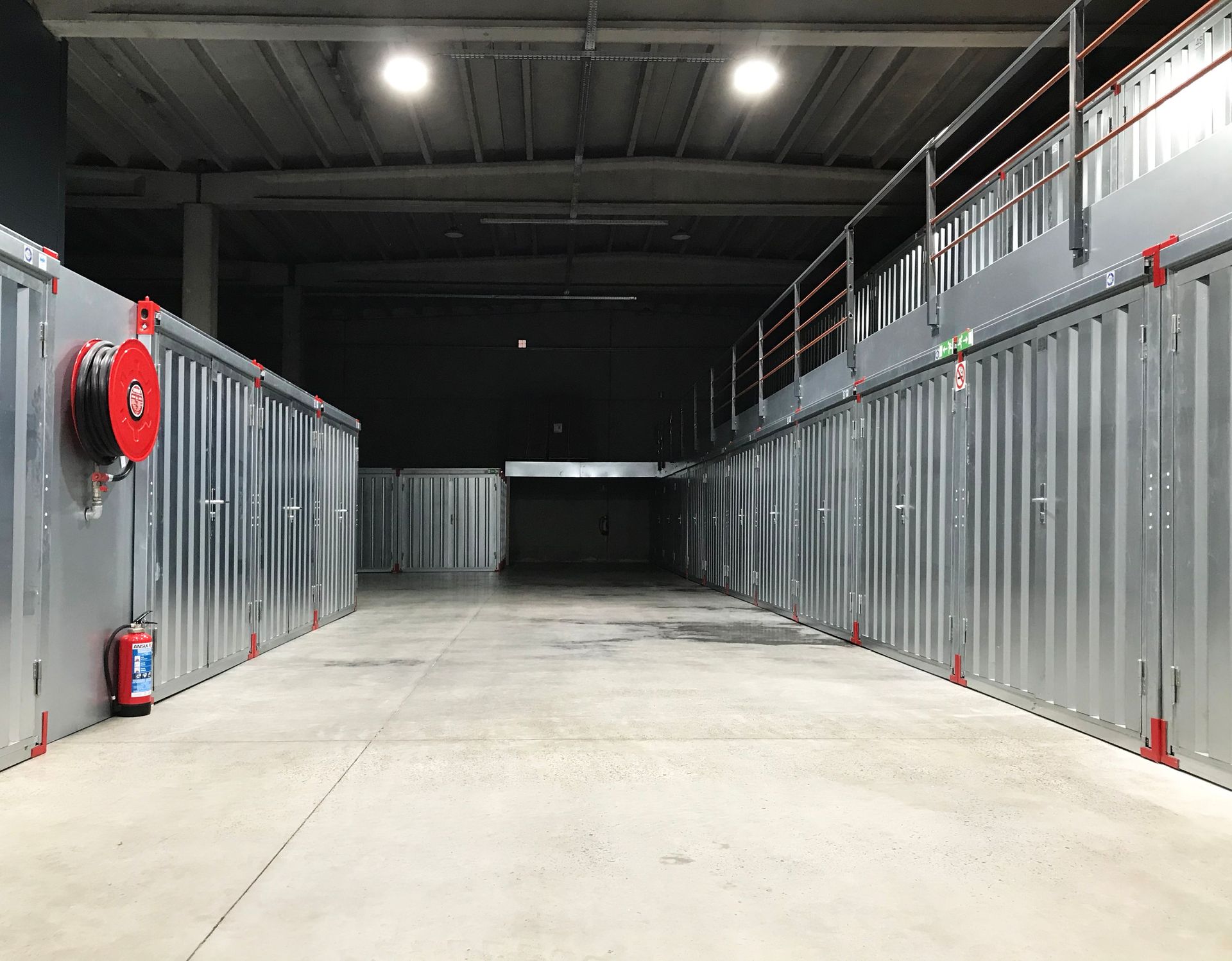
Loading order makes a bigger difference than people expect. Put sturdy pieces that you won't need soon toward the back. Keep furniture or boxes you're likely to retrieve closer to the front. If you're storing enough belongings to fill most of the unit, leave yourself a path rather than building a solid wall from the door inward.
Use vertical space carefully. Disassembled table legs, bed rails, and similar pieces take up little floor space when arranged securely. Stable shelving can also make better use of height for boxes and lighter belongings. But don't create a tall stack simply because there's room above it. Heavy boxes shouldn't sit on upholstered furniture, fragile tables, or pieces that weren't built to support that weight. Keep the heaviest, most stable items low.
Keep Furniture Off a Bare Floor When Appropriate
Before loading the unit, check the condition of the floor and the requirements of the specific furniture you're storing. Depending on the piece and facility, pallets or another appropriate barrier may be useful beneath certain belongings. The goal isn't to build an elaborate platform. It's to avoid placing vulnerable furniture where incidental moisture or dirt could reach it easily. This is also a good reason to inspect furniture before it goes inside. Starting with clean, dry pieces makes it easier to identify any new issue when you return.
Label Parts, Not Just Boxes
Labels are useful even when nothing is packed in a traditional moving box. If you've disassembled several beds, tables, or shelving units, mark wrapped components so you know what they belong to. A simple "dining table legs" or "guest bed frame" label saves time later, especially after months have passed. You can also photograph complicated furniture before taking it apart. The pictures give you a reference for assembly without adding paperwork to the unit. Keep hardware together in one clearly marked place near the front rather than scattering small bags among furniture. Losing a specialized bolt can turn an otherwise easy move-out into an unnecessary search.
Don't Store Prohibited or Problematic Items Inside Furniture
A dresser drawer or cabinet may look like useful extra packing space, but be selective about what goes inside. Don't leave food, liquids, or anything damp inside furniture. Check drawers, cabinets, and sofa compartments before move-in so nothing unintended stays behind. If you're also clearing out a garage during the move, keep automotive items separate from household furniture and prepare them according to the material involved. Affordable Family Storage has a separate guide on preparing tires for storage, which covers cleaning, positioning, and environmental considerations for seasonal tire sets.
Check on Long-Term Furniture Occasionally
If your furniture will stay in the unit for an extended period, an occasional check gives you a chance to catch a problem before it becomes worse. Look for shifted covers, unstable stacks, moisture, unusual odors, or evidence that a piece has been supporting more weight than intended. You don't need to unpack the entire space. Make sure the furniture remains dry, covered, and positioned as you left it. Access varies by location, so confirm the hours for your chosen Affordable Family Storage property. Several current facility pages list daily tenant access from 6:00 a.m. to 10:00 p.m., but renters should rely on their specific facility page for current hours.
Give Furniture Enough Room to Come Back Out
Good furniture storage starts before you arrive at the facility. Clean and dry each piece, dismantle only what should come apart, protect vulnerable surfaces, and choose a unit with enough room to load without forcing everything into place. The layout matters too. A little space for access is usually more useful than squeezing another box into every opening, particularly if you'll need something before the unit is emptied. Because Affordable Family Storage operates multiple properties with different unit types and features, you can
explore
storage options from Affordable Family Storage and compare the location that makes sense for the furniture you're storing. Check current availability and facility-specific features before deciding between a standard or climate-controlled space.