Climate-Controlled Storage vs. Traditional Storage: Which One Does Your Stuff Actually Need?
Renting a unit usually starts with size and price, but there’s another decision worth making before you move anything in: does your stuff need climate control? The answer depends less on how valuable something is and more on what it’s made of, how long you plan to store it, and how sensitive it is to temperature and moisture changes. A wooden dresser and a set of patio tools don’t have the same storage requirements.
Affordable Family Storage has facilities across several states, and unit types vary by property. Some locations offer climate-controlled spaces, while others include standard units or a combination of both. If you’re comparing storage options in your city, check the individual facility first to see which unit types are available near you.
What Is a Climate Controlled Storage Unit?
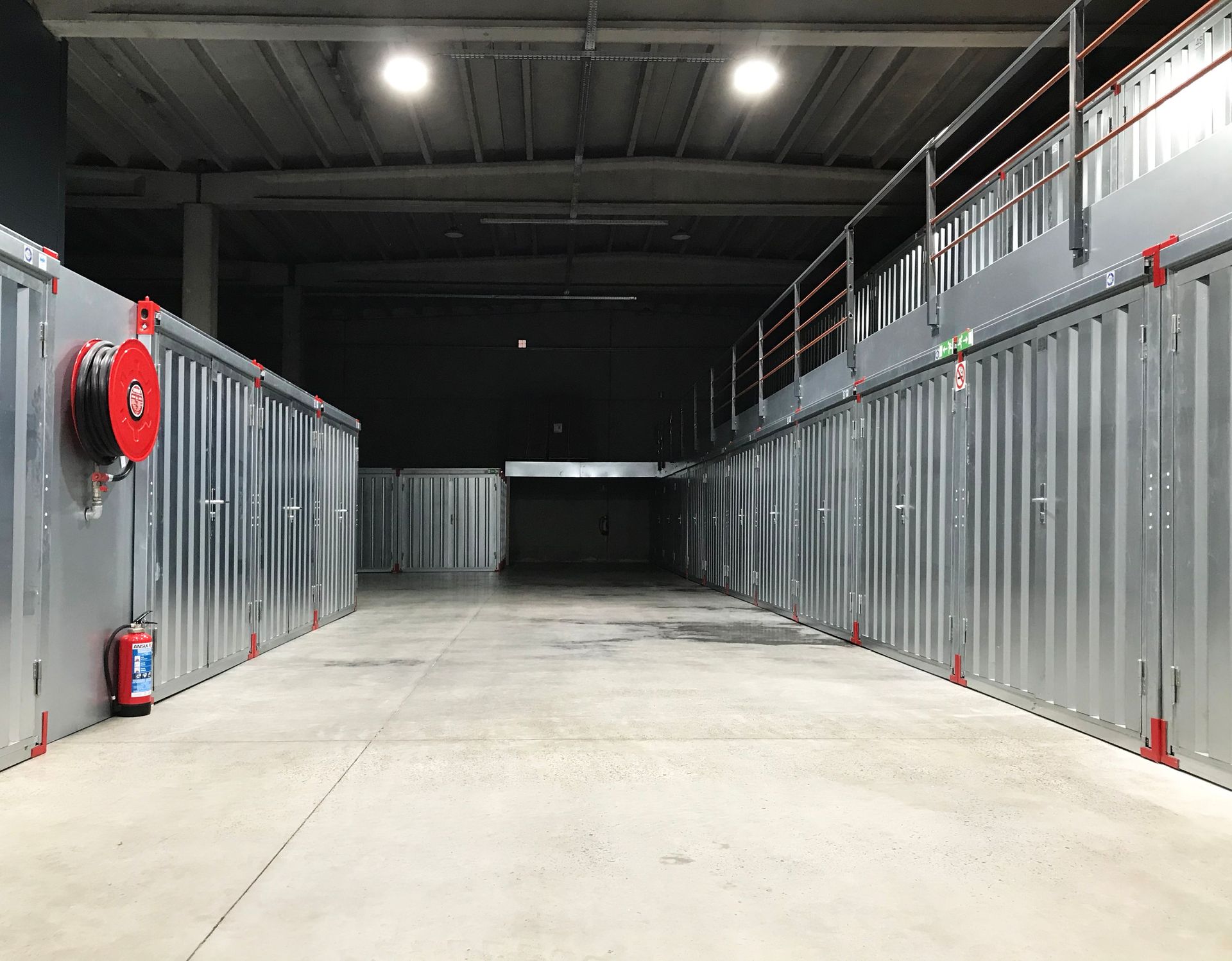
A climate-controlled unit provides a more stable indoor environment than a traditional unit. We consider furniture, electronics, documents, photos, and other temperature-sensitive belongings as common candidates for this type of space. The important distinction is environmental stability. Materials such as wood, paper, photographs, and some electronics are more sensitive to changing conditions than tools, outdoor equipment, and many durable household goods.
Photographs are a good example. Temperature and relative humidity both affect photographic materials, so a box alone doesn’t address every preservation concern. Climate control doesn’t make careful packing unnecessary. Furniture still needs to be clean and dry before storage, photographs need appropriate enclosures, and electronics should be packed to limit dust and physical damage. The controlled environment addresses one part of the storage equation.
What Is a Traditional Storage Unit?
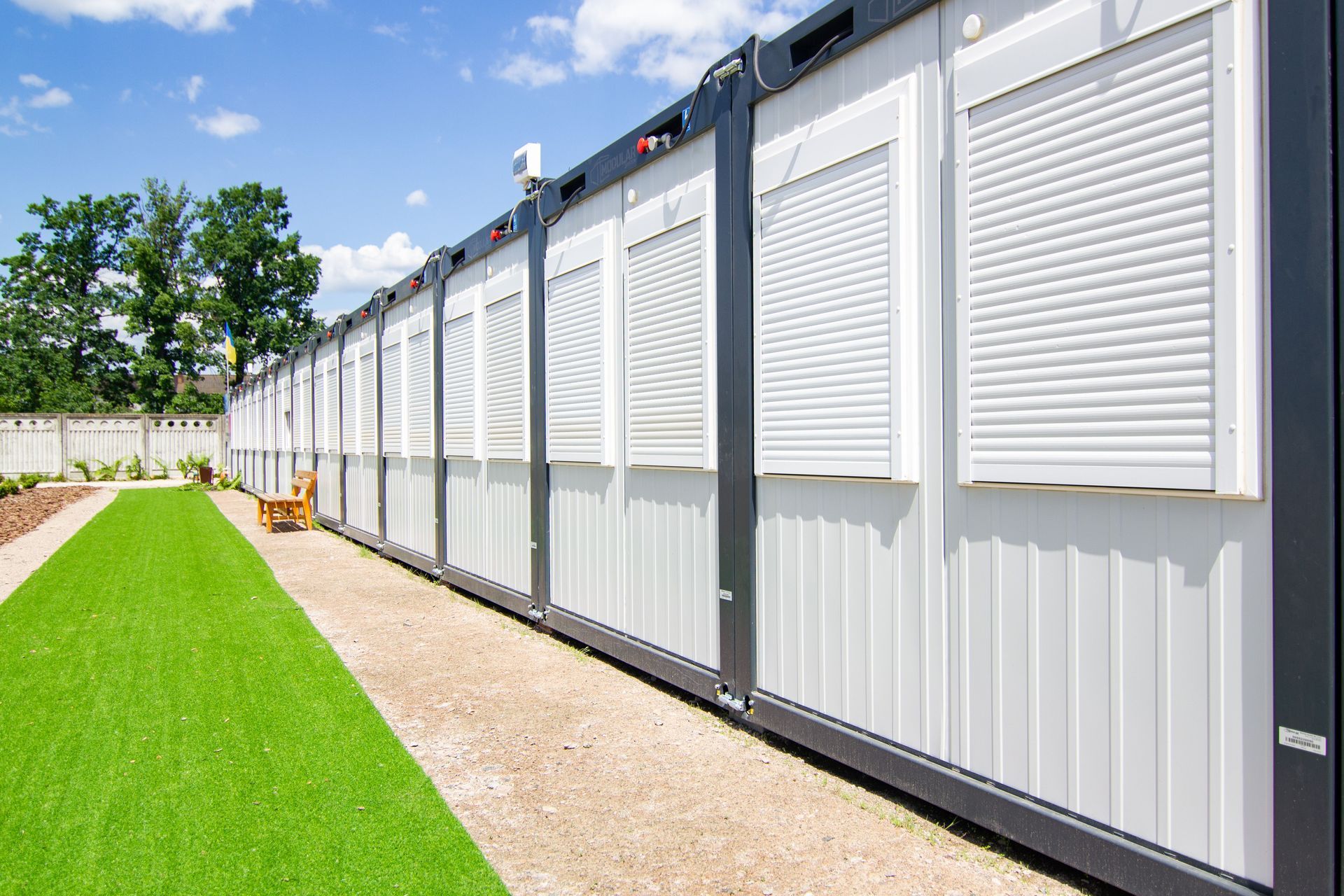
A traditional, or non-climate-controlled, unit provides space without the same environmental regulation. At Affordable Family Storage’s Derby and Kansas facilities, for example, both have climate-controlled units and standard units available. The property also has drive-up units, which let renters park directly outside the unit when loading or unloading.
That setup makes traditional space worth considering for belongings that aren’t particularly sensitive to ordinary environmental changes. Tools, some outdoor equipment, durable household goods, and other properly packed items may not justify paying for environmental control. The condition of the item matters too. A basic metal shelving unit has different requirements from an antique wooden cabinet, even though both are furniture. Choosing between unit types should start with the contents rather than assuming one option is automatically appropriate for everything.
Which Items Benefit From Climate Control?
Wood furniture is one of the clearest examples. Changes in moisture and temperature can affect wood over time, so climate control is worth considering for furniture you care about preserving, especially during longer storage periods. Electronics also deserve a more controlled environment. Computers, televisions, audio equipment, gaming systems, and similar devices contain components that you don’t want repeatedly exposed to large environmental changes. Pack them carefully and make sure everything is dry before it goes into the unit.
Documents, photographs, and keepsakes need similar consideration. Paper and photographic materials react to their surroundings, and environmental stability becomes more important when you’re storing originals that would be difficult or impossible to replace. Climate control is also useful when several sensitive belongings will share the same unit. If most of your space will be filled with wooden furniture, electronics, records, and photographs, choosing the controlled environment is simpler than evaluating a handful of vulnerable boxes individually.
When Traditional Storage Makes Sense
Not everything needs climate control. If you’re storing durable belongings that tolerate environmental changes well, a traditional unit may be enough. The decision becomes easier when the items have little paper, wood, fabric, sensitive electronics, or other materials that warrant a more stable environment.
Traditional drive-up space can also have an access advantage. Being able to pull a vehicle directly to the door reduces the distance you have to carry heavy or bulky items. For equipment or belongings you retrieve regularly, that layout may matter more than climate control. Availability varies, though. Some Affordable Family Storage properties are entirely climate-controlled. Our Martin Luther King Jr. Parkway location in Des Moines, for example, only has climate-controlled units. At Derby, renters can choose between climate-controlled and non-climate-controlled units.
Climate Control and Cold Storage Aren’t the Same Thing
The terminology gets confusing because climate-controlled storage and cold storage both involve temperature, but they serve different purposes. Climate-controlled self storage is intended for belongings such as furniture, documents, electronics, and photographs. Refrigerated and freezer storage operates at much colder temperatures and is intended for products that need refrigeration or freezing.
Our Sugar Land, Texas, facility illustrates the difference because it offers standard climate-controlled indoor units as well as specialized cooler and freezer space. The refrigerated and freezer units are designed for temperature-sensitive inventory such as food and beverages, and the facility states that those units are backed by a generator.
For a closer look at the commercial side, our guide to how modern cold storage works explains the cold chain and the role refrigerated facilities play in keeping products at appropriate temperatures. Businesses around the Houston area can also read our guide to cold storage near Houston, which explains how refrigerated space differs from ordinary climate-controlled self storage. If you’re storing household furniture or business records, you’re looking at climate control, not refrigeration. If the inventory itself must remain chilled or frozen, that’s a different storage requirement.
Does Storage Length Change the Decision?
It can. A short stay and a year in storage aren’t the same decision. The longer sensitive belongings remain stored, the longer they’re exposed to the conditions inside the space. Environmental stability deserves more weight when furniture, documents, electronics, or photographs will be stored for an extended period.
Still, length alone shouldn’t decide it. A durable item doesn’t automatically require climate control because you plan to leave it for several months, and a sensitive item doesn’t become a good candidate for traditional storage simply because the rental will be brief. Start with the item. Then consider duration.
How to Choose Between the Two
Before renting, sort what you plan to store into two broad groups: belongings that are sensitive to environmental changes and belongings that aren’t. Look closely at wood furniture, electronics, photographs, important paperwork, artwork, and keepsakes. If losing or damaging an item would be difficult to remedy, consider its material and storage requirements rather than its dollar value alone.
Then check the specific Affordable Family Storage property you’re considering. Unit types differ by location, so the practical choice depends partly on what’s available there. At a property offering both traditional and climate-controlled spaces, you can compare the two against your inventory. At an all-climate-controlled property, that decision has already been narrowed for you. Also consider how you’ll use the unit. If you’ll retrieve heavy equipment frequently, drive-up access may deserve more weight. If the unit will mostly hold sensitive household belongings for months at a time, environmental control may be the more relevant feature.
Choose the Environment Before You Choose the Unit
There isn’t one unit type that makes sense for every renter. Climate-controlled space addresses the needs of belongings that react to temperature and moisture changes. Traditional space can be a practical choice when the contents are durable and environmental regulation isn’t necessary. That distinction is more useful than starting with the assumption that the more protective option is always required. Make an inventory, identify the materials that need extra care, and then compare what the nearby properties actually offer.
Affordable Family Storage operates locations in Iowa, Illinois, Indiana, Kansas, Nebraska, and Texas, with unit types and features that differ between properties. You can explore
storage options from Affordable Family Storage to compare the locations and find the facility that offers the type of space your belongings require.