How Modern Cold Storage Keeps Everyday Life Running
Most people rarely think about cold storage until they notice refrigerated trucks on the highway or walk into the frozen food aisle at the grocery store. Yet behind nearly every fresh meal, life-saving medication, bouquet, and temperature-sensitive product is an extensive network designed to keep those items at the right temperature from start to finish. This network, known as the cold chain, relies on specialized storage facilities, transportation systems, and careful monitoring to ensure products arrive in excellent condition. Businesses exploring storage options in Sugar Land can also learn more about climate-controlled storage for belongings that need protection from heat and humidity. While climate-controlled storage is ideal for furniture, electronics, business records, and collectibles, refrigerated cold storage serves a completely different purpose by maintaining temperatures low enough to preserve food, medical products, and other highly sensitive inventory.
Texas plays an important role in the nation's logistics network. With major interstate highways, international trade routes, manufacturing centers, agricultural production, and one of the busiest ports in the United States, refrigerated storage has become an essential part of keeping products moving safely throughout the state and beyond. Understanding how the cold chain works offers valuable insight into one of the most important yet often overlooked systems supporting modern commerce.
Key Points for Readers Short on Time
- Cold storage is one component of a larger cold chain that protects temperature-sensitive products from production to delivery.
- Different products require different temperature ranges, making precise monitoring essential.
- Modern cold storage facilities rely on advanced technology to maintain product quality and safety.
- Texas serves as one of the country's most important hubs for refrigerated transportation and distribution.
- Understanding the cold chain helps businesses make smarter decisions about storing and transporting sensitive inventory.
Cold Storage Is Only One Part of the Journey
When people hear the phrase "cold storage," they often picture a large refrigerated warehouse filled with pallets of frozen food. While that image is partially accurate, it represents only one stop along a much longer journey. Every temperature-sensitive product follows a carefully managed path that begins long before it reaches storage and continues until it arrives at its final destination. This complete process is known as the cold chain. Rather than referring to a single building or warehouse, the cold chain describes the continuous movement of refrigerated products through every stage of production, storage, transportation, and delivery. If any link in this chain fails, the entire shipment may become compromised.
Consider a shipment of strawberries grown on a farm. After harvesting, the fruit is cooled quickly to remove field heat before being transported to a refrigerated warehouse. It may remain there temporarily before moving onto a refrigerated truck headed toward a grocery distribution center. Eventually, it reaches local stores where refrigerated displays continue maintaining the proper temperature until customers make a purchase. Every transfer must happen carefully because even brief temperature changes can shorten shelf life and reduce product quality. The same process applies to many products beyond food. Vaccines, specialty medications, laboratory samples, fresh flowers, dairy products, seafood, and certain industrial materials all depend on an uninterrupted cold chain to maintain their effectiveness and safety. Readers interested in learning more about the business value of refrigerated storage can also explore Affordable Family Storage's article on what cold storage is and why it matters for business, which complements this broader overview of how the cold chain operates.
Why Temperature Control Is More Complicated Than You Might Expect
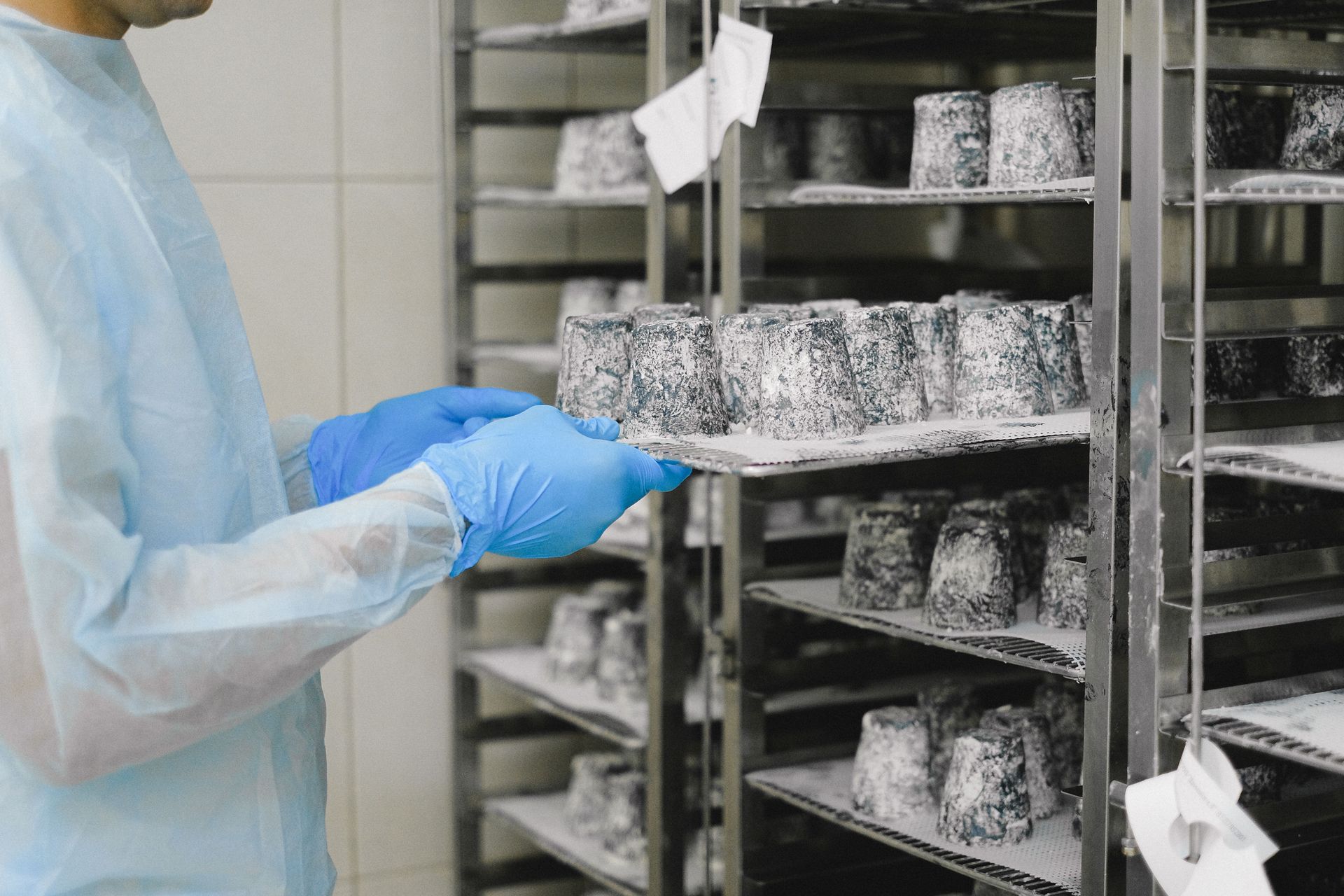
One of the biggest misconceptions about refrigerated storage is that everything is simply kept "cold." In reality, different products require very different temperature ranges. Maintaining these precise conditions is one of the primary reasons specialized cold storage facilities exist. Fresh produce often performs best just above freezing, allowing fruits and vegetables to stay crisp without suffering damage from ice formation. Dairy products require consistent refrigeration to maintain freshness, while frozen foods must remain well below freezing throughout storage and transportation. Pharmaceutical products present another layer of complexity because some medications remain stable only within extremely narrow temperature ranges.
Even slight fluctuations can have significant consequences. A few degrees above the recommended temperature may accelerate bacterial growth in food or reduce the effectiveness of certain medical products. On the other hand, temperatures that become too cold may damage fresh produce, certain beverages, or specialty chemicals. Rather than relying on occasional manual checks, today's refrigerated facilities continuously monitor storage conditions using digital sensors that collect temperature readings around the clock. These systems alert operators immediately if temperatures begin moving outside acceptable limits, allowing problems to be corrected before products are affected. According to the U.S. Food and Drug Administration, maintaining proper temperature control throughout storage and transportation plays a critical role in preserving food safety and product quality.
Inside a Modern Cold Storage Facility
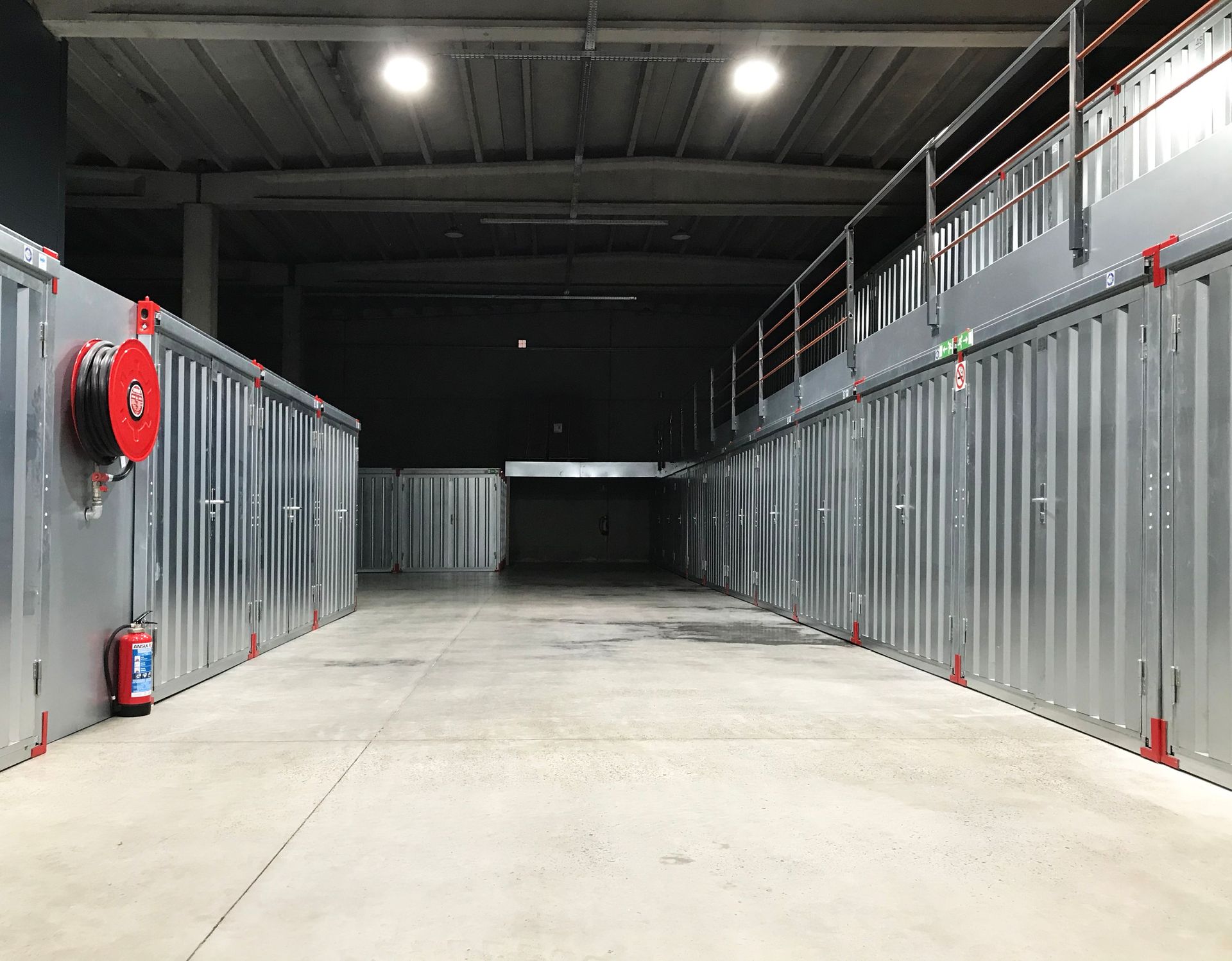
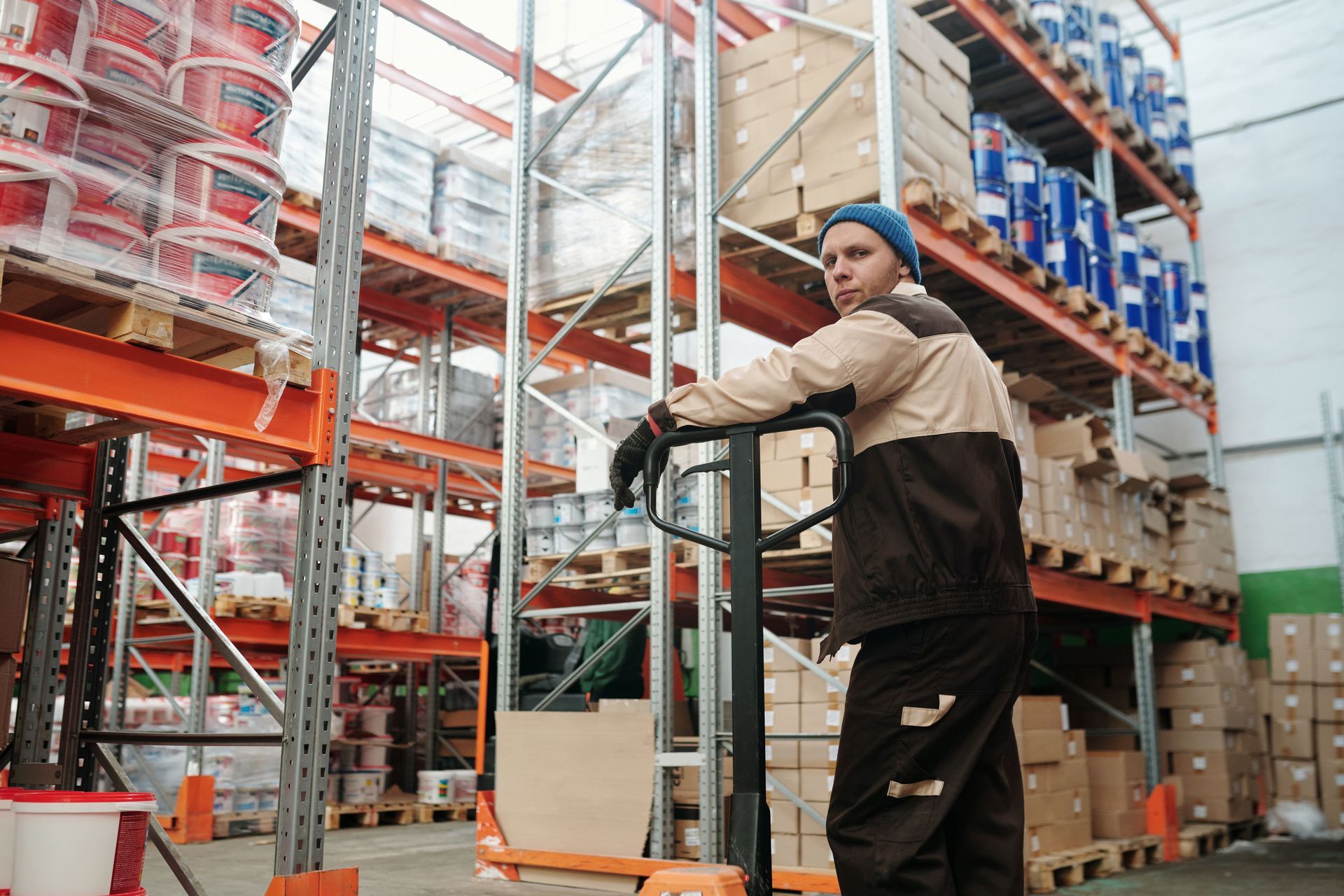
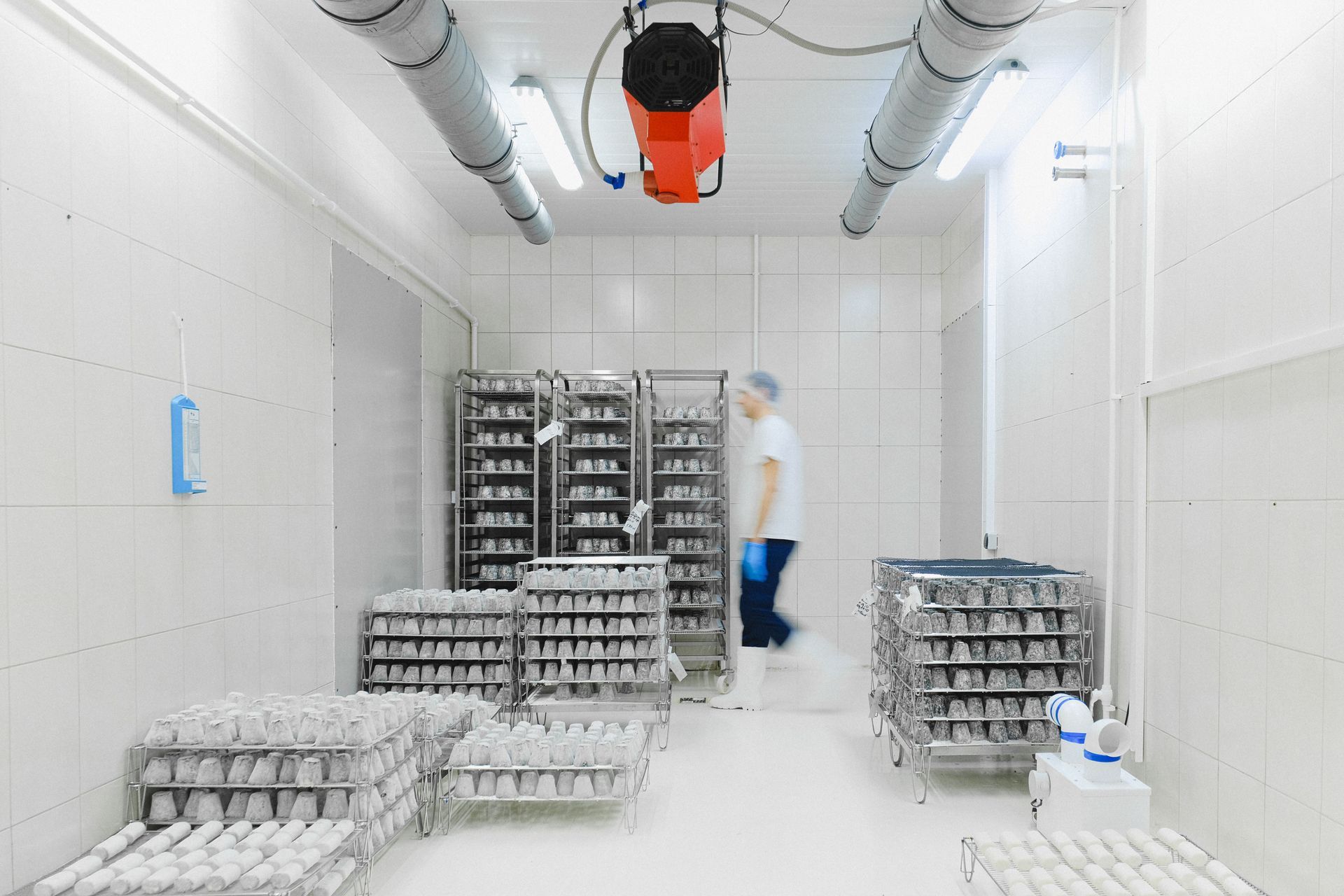
From the outside, a refrigerated warehouse may look similar to any other industrial building. Inside, however, every design feature supports maintaining stable temperatures while maximizing efficiency. Heavy insulated walls help minimize heat transfer from outside the building. Large refrigeration systems circulate cooled air through carefully designed airflow patterns that keep temperatures consistent throughout each storage area. High-speed insulated doors reduce temperature loss when employees or forklifts move inventory between rooms.
Warehouse layouts also differ depending on the products being stored. Frozen goods may occupy deep freezer rooms, while produce, dairy products, and pharmaceuticals often have separate refrigerated environments with customized temperature settings. Some facilities even maintain multiple climate zones under one roof, allowing businesses to store a wide variety of products simultaneously. Humidity control also plays an important role. Some products require higher humidity levels to prevent drying out, while others remain more stable in drier environments. Managing both temperature and humidity helps extend shelf life while preserving product quality. Modern cold storage facilities frequently include features such as:
- Automated temperature monitoring systems
- Emergency backup generators
- Insulated loading docks
- Digital inventory tracking
- High-density pallet racking
- Energy-efficient refrigeration equipment
Technology Is Making Cold Storage Smarter Than Ever
Refrigerated storage has changed dramatically over the past decade. Instead of relying primarily on manual inspections and paper records, today's facilities increasingly use connected technologies that provide real-time information about inventory conditions. Wireless sensors continuously monitor temperatures throughout warehouses, refrigerated trailers, and shipping containers. Inventory management software tracks product locations while helping warehouse staff rotate inventory efficiently. Cloud-based monitoring systems allow facility managers to review temperature histories from virtually anywhere, creating detailed records that support regulatory compliance.
Artificial intelligence is beginning to play an even larger role. Predictive maintenance software analyzes refrigeration equipment to identify potential problems before they lead to costly breakdowns. Rather than waiting for equipment to fail, operators can perform maintenance proactively, reducing downtime and protecting valuable inventory. Automation also improves efficiency inside refrigerated warehouses. Robotic pallet systems, automated storage retrieval equipment, and advanced warehouse management software help reduce the amount of time products spend moving through loading areas where temperatures may fluctuate. As technology continues evolving, businesses can expect refrigerated logistics to become even more accurate, efficient, and environmentally responsible.
Why Texas Has Become a Leader in Refrigerated Logistics
Texas occupies a unique position within North America's supply chain. Its central location allows products to move efficiently toward both the East and West Coasts while also supporting trade with Mexico and international markets. This strategic geography has made the state one of the country's most important centers for warehousing and distribution, including refrigerated logistics. The Port of Houston ranks among the busiest ports in the United States, handling enormous volumes of imported and exported goods every year. Interstate highways such as I-10, I-35, and I-45 connect manufacturers, agricultural producers, distribution centers, and retailers throughout the region, allowing refrigerated shipments to travel efficiently across long distances.
Beyond its commercial importance, Texas is home to destinations that attract millions of visitors annually, helping support restaurants, hotels, entertainment venues, and food service businesses that rely on dependable refrigerated supply chains. Places like Sugar Land Town Square, Brazos Bend State Park, and Space Center Houston contribute to vibrant local economies where fresh food distribution plays an important role in serving residents and visitors alike.
What Can Go Wrong When the Cold Chain Breaks?
Cold storage is only as effective as the systems supporting it. Even the most advanced refrigeration equipment cannot protect products if mistakes occur during transportation, loading, or inventory management. A single weak link can compromise an entire shipment, leading to financial losses and, in some industries, serious health or safety concerns. One of the most common issues is leaving products outside refrigerated environments for too long during loading and unloading. Every minute spent on a loading dock allows products to warm, especially when large quantities are being transferred. Facilities often minimize this risk by using insulated loading docks and carefully coordinating deliveries so refrigerated trucks spend as little time waiting as possible.
Another challenge is improper inventory organization. When pallets are stacked too closely together, cold air cannot circulate effectively. This can create warm spots within the warehouse where products may not remain at the intended temperature. Warehouse managers carefully design storage layouts to promote consistent airflow while maximizing available space. Equipment failures present another risk. Refrigeration systems operate around the clock, making regular maintenance essential. Many modern facilities use predictive maintenance software that detects small performance changes before they become major problems. Combined with backup generators and emergency response plans, these systems help protect valuable inventory during unexpected situations. Employee training also makes a significant difference. Workers who understand proper handling procedures, temperature requirements, and sanitation practices are better equipped to maintain product quality throughout the storage process.
Cold Storage Looks Different Across Every Industry
Although food products are the first thing many people associate with refrigerated storage, countless industries rely on temperature-controlled environments to keep products safe and effective. Each sector has its own challenges, regulations, and storage requirements. Healthcare organizations, for example, store vaccines, insulin, laboratory samples, and specialty medications that require precise temperature ranges. Even slight fluctuations can affect product effectiveness, making continuous monitoring critical. The floral industry also depends heavily on refrigerated storage. Fresh flowers continue to age after being harvested, but lower temperatures significantly slow this process, allowing arrangements to remain vibrant during transportation and retail display.
Food manufacturers often manage multiple refrigerated environments within the same facility. Fresh produce, dairy products, frozen meals, meat, and seafood each require different conditions, making careful inventory management essential. Agricultural producers throughout Texas also benefit from refrigerated logistics. Fresh fruits, vegetables, dairy products, and meat travel across the state and beyond using refrigerated warehouses and transportation networks that help maintain quality from harvest through final delivery. Because every industry has unique needs, there is no single approach to cold storage. Successful facilities tailor their equipment, monitoring systems, and workflows to match the products they handle.
Sustainability Is Reshaping the Cold Storage Industry
Refrigerated warehouses consume significant amounts of energy, which has encouraged operators to invest in more sustainable technologies. Improving efficiency not only reduces environmental impact but also lowers operating costs, creating benefits for both businesses and consumers. Modern facilities increasingly use high-efficiency compressors, improved insulation, LED lighting, and smart energy management systems that automatically adjust cooling performance based on warehouse activity. Some operations have also begun incorporating rooftop solar panels to supplement electricity usage.
Natural refrigerants are becoming more common as companies work to reduce greenhouse gas emissions associated with older cooling systems. These alternatives can provide effective refrigeration while supporting long-term environmental goals. Another important sustainability benefit comes from reducing food waste. According to the United Nations Food and Agriculture Organization, improving refrigeration throughout the supply chain helps preserve more food before it reaches consumers, reducing unnecessary waste while improving food security. As technology continues advancing, sustainability will likely remain one of the industry's biggest areas of innovation.
How Cold Storage Continues to Evolve
Consumer expectations continue changing, and the cold storage industry is evolving alongside them. Online grocery shopping, meal delivery services, pharmaceutical innovation, and global supply chains have all increased demand for reliable refrigerated logistics. Automation is expected to play an even greater role in the coming years. Robotic systems can move inventory more efficiently through refrigerated environments while reducing the amount of time warehouse doors remain open. Artificial intelligence will likely continue improving equipment maintenance, inventory forecasting, and energy management. Digital tracking technology is also becoming more sophisticated. Businesses increasingly expect real-time visibility into shipments, allowing them to monitor temperatures throughout transportation and respond quickly if problems occur. These innovations are making refrigerated storage more efficient while improving product quality and reducing waste across the supply chain.
Cold storage is far more than a refrigerated warehouse. It is one part of a carefully coordinated cold chain that protects temperature-sensitive products as they move from production facilities to businesses and, ultimately, to consumers. Every refrigerated truck, warehouse, monitoring system, and trained employee contributes to preserving quality, supporting safety, and reducing unnecessary waste along the way. For businesses and individuals exploring
storage options in Sugar Land, it is also worth understanding how
climate-controlled storage differs from refrigerated cold storage. While each serves a unique purpose, both demonstrate how choosing the right storage environment helps protect valuable belongings and inventory for the long term.