Beyond the Freezer: Why Cold Storage Is the Hidden Hero of Modern Business
When people hear the word "storage," they often picture boxes, furniture, business inventory, or climate-controlled units. However, an entirely different type of storage keeps many industries running every single day. Cold storage, also known as refrigerated storage, plays a critical role in protecting temperature-sensitive products, preserving quality, and supporting supply chains around the world.
Businesses throughout Texas rely on different forms of storage to keep operations organized and efficient. While refrigerated warehouses serve industries like food distribution, pharmaceuticals, agriculture, and biotechnology, many businesses also depend on traditional self-storage for equipment, supplies, records, seasonal inventory, and nonperishable products. If you're looking for convenient storage options in Sugar Land, understanding the difference between these storage solutions can help you choose the right option for your business. Before diving deeper into refrigerated storage, it's also helpful to review general self-storage tips and answers to common self-storage questions to better understand how different storage environments support different business needs.
Key Points for Readers Short on Time
- Cold storage is refrigerated storage designed for temperature-sensitive products.
- It differs significantly from climate-controlled self-storage, which regulates temperature but does not refrigerate items.
- Industries including food service, healthcare, agriculture, pharmaceuticals, and biotechnology depend on cold storage every day.
- Proper cold storage reduces waste, improves product quality, and helps businesses comply with safety regulations.
- Traditional self-storage continues to play an important role by storing equipment, documents, packaging materials, and inventory that does not require refrigeration.
What Is Cold Storage?
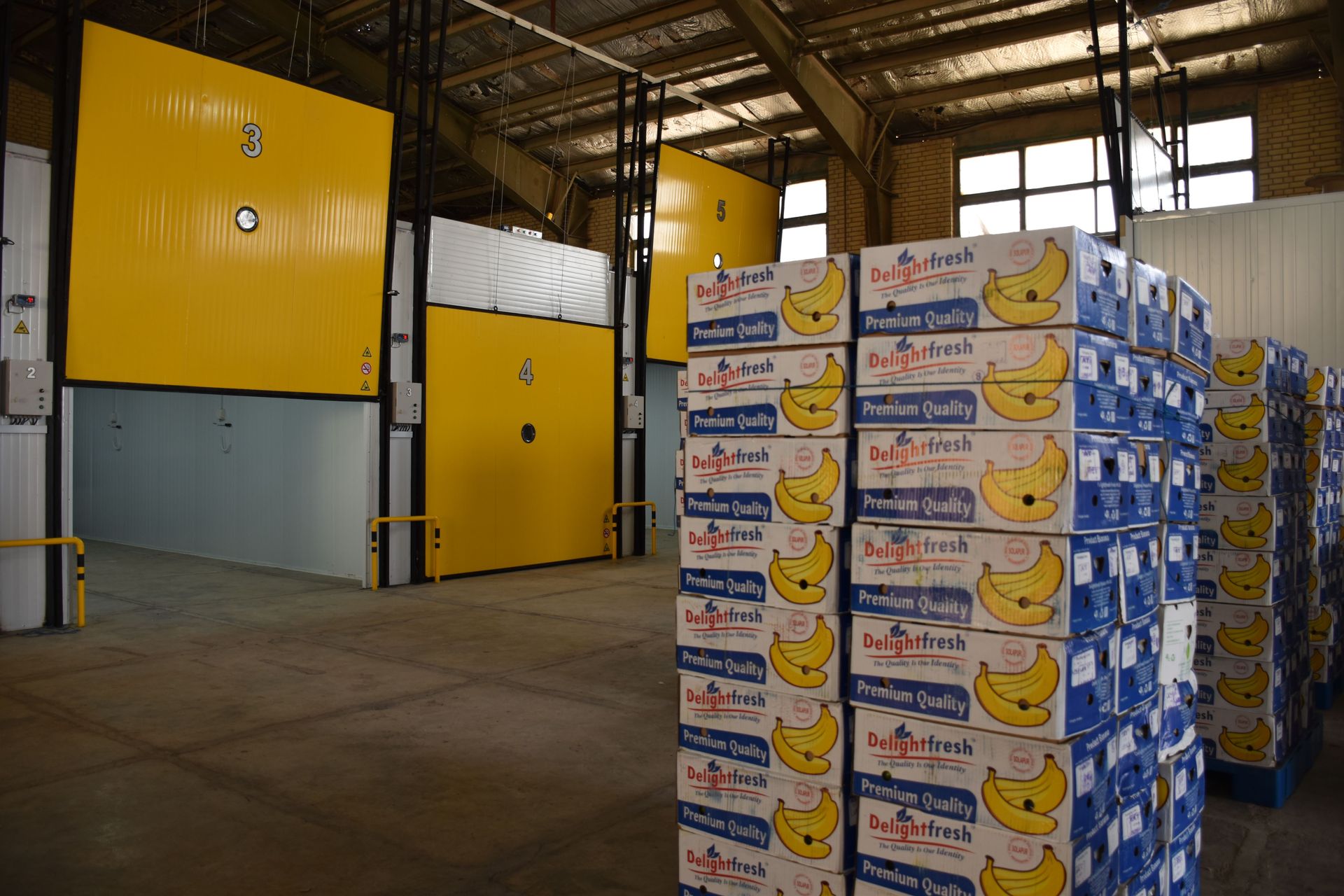
Cold storage refers to facilities specifically designed to keep products at refrigerated or frozen temperatures for extended periods. Unlike standard warehouses, these buildings use industrial cooling systems to maintain carefully controlled temperatures that can range from slightly above freezing to well below zero, depending on the products being stored. For many businesses, cold storage is far more than a large commercial refrigerator. It is an essential part of the supply chain that allows products to remain safe, fresh, and effective while moving between manufacturers, distributors, retailers, healthcare providers, and consumers. Without refrigerated storage, many of the products people use every day would spoil long before reaching store shelves.
Cold Storage vs. Climate Controlled Storage
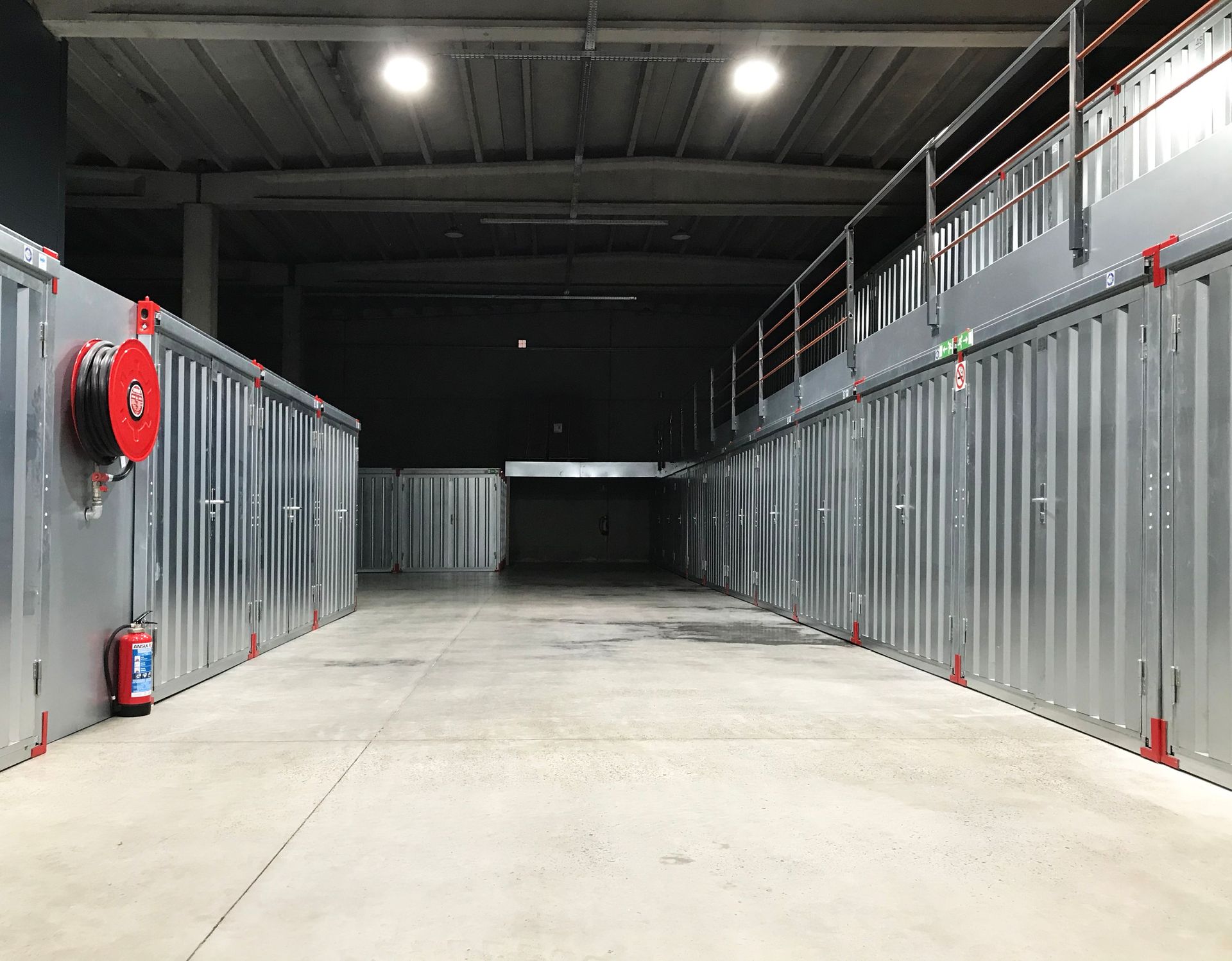
Although these terms are often confused, they describe two very different types of storage. Climate-controlled storage typically maintains indoor temperatures somewhere between approximately 55 and 80 degrees while also helping regulate humidity. These units are ideal for furniture, electronics, business records, artwork, photographs, musical instruments, and many other sensitive belongings.
Cold storage, on the other hand, actively refrigerates or freezes products. Temperatures may remain just above freezing for fresh produce or dairy products, while frozen food facilities can operate well below zero. These environments require specialized insulation, industrial refrigeration equipment, backup power systems, and continuous monitoring. Understanding this distinction helps businesses avoid costly mistakes. Items designed for refrigeration cannot safely be stored inside a traditional self-storage unit, while many business supplies do not require expensive refrigerated warehouse space.
Which Industries Depend on Cold Storage?
Cold storage supports a surprisingly wide variety of industries. While grocery stores often come to mind first, refrigerated storage extends well beyond food. Food manufacturers rely on cold storage to preserve meat, seafood, dairy products, frozen meals, fresh produce, and beverages before distribution. Restaurants and food distributors also depend on refrigerated warehouses to keep inventory safe until products reach commercial kitchens. Healthcare organizations use refrigerated storage for vaccines, laboratory samples, medications, blood products, and certain medical supplies that lose effectiveness if temperatures fluctuate. Maintaining precise conditions can directly affect patient safety.
Agricultural producers also depend heavily on refrigerated facilities after harvest. Fresh fruits, vegetables, flowers, and specialty crops often require immediate cooling to preserve freshness and reduce spoilage during transportation. Biotechnology companies, research laboratories, and pharmaceutical manufacturers similarly use refrigerated environments to protect valuable biological materials throughout testing, manufacturing, and distribution.
Why Cold Storage Matters More Than Ever
Modern consumers expect fresh products to be available year-round, regardless of where they were grown or manufactured. Businesses meet these expectations by relying on sophisticated refrigerated supply chains. Cold storage extends shelf life by slowing bacterial growth and reducing natural spoilage. This helps businesses minimize waste while providing customers with higher-quality products. Instead of rushing products directly to market, companies gain greater flexibility to distribute inventory efficiently across multiple regions.
For pharmaceutical companies, refrigerated storage protects product effectiveness. Vaccines, insulin, specialty medications, and laboratory materials often become unusable if exposed to improper temperatures, making reliable cold storage essential throughout distribution. The United States Food and Drug Administration provides extensive guidance on temperature-controlled food safety and transportation practices that help protect consumers.
The Business Benefits of Cold Storage
Companies invest in refrigerated storage for several important reasons beyond simply keeping products cold.
- First, it protects inventory value. Spoiled food, damaged pharmaceuticals, or compromised laboratory materials can represent enormous financial losses. Maintaining consistent temperatures reduces these risks significantly.
- Second, cold storage improves operational flexibility. Businesses can purchase larger quantities during peak production periods and distribute inventory gradually as demand changes. This helps stabilize supply while reducing shortages.
- Third, refrigerated storage supports regulatory compliance. Many industries must follow strict safety requirements regarding temperature monitoring, documentation, and product handling. Proper facilities make these standards much easier to maintain. Finally, cold storage helps improve customer satisfaction. Consumers expect fresh food, effective medications, and reliable products. Consistent refrigeration contributes directly to meeting those expectations.
Technology Is Transforming Cold Storage
Today's refrigerated warehouses are much more advanced than they were even a decade ago. Many facilities now use automated monitoring systems that track temperatures around the clock. If temperatures begin changing unexpectedly, alerts allow operators to respond before inventory becomes damaged. Automation has also improved inventory management. Barcode systems, warehouse management software, and robotics help businesses locate products quickly while reducing handling time inside temperature-controlled environments.
Energy efficiency has become another major focus. Modern refrigeration equipment, improved insulation, and smarter cooling technologies help reduce electricity consumption while maintaining consistent storage conditions. As supply chains continue evolving, cold storage technology will likely become even more sophisticated through artificial intelligence, predictive maintenance, and real-time logistics tracking.
When Traditional Self Storage Makes More Sense
Although refrigerated warehouses are essential for many industries, they are not necessary for every business asset. Many companies benefit from using traditional storage units for office furniture, packaging materials, marketing displays, seasonal decorations, archived records, maintenance equipment, trade show supplies, tools, shelving, and nonperishable inventory. Separating these items from everyday workspaces creates a more organized and productive business environment. Businesses with refrigerated inventory often use both storage solutions together. Cold storage protects products requiring precise temperatures, while self-storage houses everything else needed to support operations.
Questions Businesses Should Ask Before Choosing Cold Storage
If your products require refrigeration, selecting the right facility involves much more than comparing square footage. Business owners should carefully evaluate operational capabilities before making a decision. Some important questions include:
- What is the consistent temperature range maintained by the facility?
- How are temperatures monitored throughout the day?
- Are backup power systems available during outages?
- What food safety or pharmaceutical certifications does the facility maintain?
- How quickly can inventory be accessed upon the arrival of shipments?
- Does the facility provide inventory tracking or warehouse management services?
These considerations help businesses find storage solutions that support long-term growth while protecting valuable inventory.
Supporting Business Growth Beyond Refrigeration
Not every company needs refrigerated warehouse space every day. Seasonal businesses often experience fluctuations in inventory, equipment, and supplies throughout the year. Construction companies rotate tools between projects. Retailers store promotional materials between sales events. Service businesses keep extra furniture, records, or replacement equipment off-site to free up valuable workspace.
In communities throughout Texas, businesses also enjoy thriving local attractions that create seasonal demand. Events, festivals, sporting activities, parks, museums, and community gatherings often influence inventory cycles for retailers, hospitality businesses, and service providers. Resources like Travel Texas showcase many of the attractions and events that help drive commercial activity across these regions. For many organizations, combining specialized cold storage with traditional self-storage creates a flexible strategy that adapts as operations grow.
Choosing the Right Storage Solution Starts with Understanding Your Needs
Cold storage is one of the most important yet least visible parts of modern commerce. From preserving fresh food to protecting life-saving medications, refrigerated storage allows businesses to safely move products across cities, states, and countries while maintaining quality and regulatory compliance. At the same time, refrigerated facilities solve only one part of a company's storage needs. Equipment, records, supplies, office furniture, seasonal inventory, and countless other business assets often belong in traditional self-storage instead of refrigerated warehouses. Businesses looking for storage options in Sugar Land can benefit from understanding where each type of storage fits into an efficient operation. Exploring practical self-storage tips and common self-storage questions can also help businesses develop a storage strategy that supports both daily operations and future growth.